Sketchy Alphabet: Integrating Handcrafted Charm into Creative Workflows
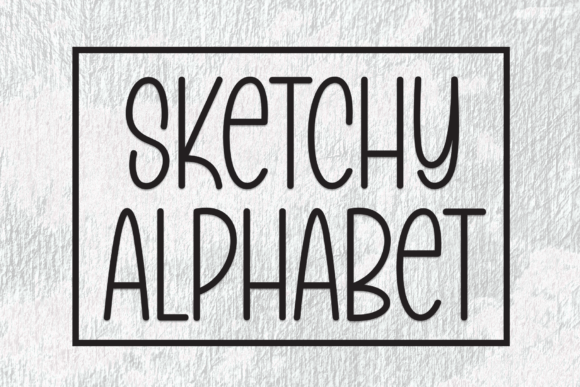
Typography plays a pivotal role in shaping the emotional tone of visual communication. Among the growing trend of handcrafted fonts, Sketchy Alphabet stands out for its organic warmth and expressive character. Designed with deliberate imperfections, this display font brings a human touch to digital design projects, especially where authenticity and emotional resonance are key.
Understanding Sketchy Alphabet in the Design Ecosystem
Sketchy Alphabet is not just a font—it’s a design asset that bridges the gap between digital precision and handmade charm. It was crafted with intention, each letter shaped to feel approachable and personal. Its irregular strokes and soft curves make it ideal for projects that benefit from a nostalgic, hand-drawn aesthetic.
From a broader design workflow perspective, Sketchy Alphabet fits into the early stages of visual ideation. Whether you're designing a wedding invitation, branding for a small business, or social media assets for a boutique shop, choosing the right font can set the tone for the entire project. This font isn’t meant for long-form body text but excels in headlines, titles, and short bursts of text where personality matters most.
Before You Begin: Preparing for Integration
Before incorporating Sketchy Alphabet into your project, consider the context. This font shines in creative spaces where warmth and whimsy are desired. Think greeting cards, product packaging, editorial illustrations, or even as a focal point in digital marketing assets like Instagram stories or email headers.
It’s also important to assess compatibility. Sketchy Alphabet includes full PUA (Private Use Area) encoding, which means all special characters and decorative elements are accessible without requiring additional software or complex setup. This feature simplifies the integration process, especially for users who work across platforms like Adobe Creative Suite, Figma, or Canva.
Using Sketchy Alphabet During the Creative Process
Once you’ve determined that Sketchy Alphabet fits your project’s tone, the next step is to incorporate it effectively into your design flow. Here’s how it can be used in real-world scenarios:
- Wedding Invitations: Pair Sketchy Alphabet with clean sans-serif fonts for a balanced layout. Use it for the couple’s names or event title to add a romantic, hand-lettered feel.
- Brand Identity: For small businesses or independent creators, this font can become a signature element in logos, social media handles, or packaging design.
- Print-on-Demand Products: Whether it’s mugs, tote bags, or wall art, Sketchy Alphabet adds a personalized touch that resonates with customers looking for handmade appeal.
Because of its decorative nature, it’s best used sparingly. Overuse can lead to visual clutter, especially in layouts that require readability. Instead, treat it as an accent font—reserving it for headlines, quotes, or small design elements that need to stand out.
Workflow Considerations: Efficiency and Consistency
Integrating Sketchy Alphabet into your workflow requires attention to consistency and efficiency. Since it includes PUA encoding, you can access alternate characters and ligatures directly from your design software without switching between tools. This saves time and reduces friction during the design process.
For teams or collaborative projects, ensure that all members have access to the same font files and understand how to access its full character set. This helps maintain design consistency across deliverables, especially when multiple designers are working on different parts of a campaign or branding package.
After Implementation: Quality Control and Long-Term Use
Once your project is live or printed, take time to review how Sketchy Alphabet contributes to the overall impact. Does it enhance readability? Does it align with the intended emotional tone? These questions help ensure that your use of the font was both practical and effective.
From a long-term perspective, fonts like Sketchy Alphabet are valuable additions to a designer’s toolkit. They offer versatility across various creative domains and can be reused in future projects with minimal adjustments. However, always consider licensing terms, especially if you're using the font for commercial work or distributing it as part of a product.
Practical Tips for Using Sketchy Alphabet
- Pair Thoughtfully: Combine Sketchy Alphabet with simpler, more structured fonts to create visual hierarchy and contrast.
- Test at Different Sizes: Due to its hand-drawn nature, this font may lose clarity at very small sizes. Always preview how it appears across different mediums.
- Use Kerning Tools: Adjust spacing between letters to maintain legibility and aesthetic balance, especially in tight layouts.
- Save Custom Styles: If you create a unique text style using Sketchy Alphabet in your design software, save it as a preset for faster reuse.
Integrating with Other Tools and Platforms
Sketchy Alphabet works well with most modern design tools. Whether you're using Photoshop for print design, Illustrator for vector graphics, or Figma for UI/UX mockups, the font integrates smoothly. Thanks to PUA encoding, accessing alternate characters doesn’t require advanced typographic knowledge, making it accessible even for non-designers.
For web designers, consider using it in SVG or web font formats where appropriate. While it may not be suitable for body copy on websites, it makes a compelling choice for hero headers or call-to-action buttons that benefit from a warm, engaging tone.
Real-World Applications and Workflow Examples
Here’s a snapshot of how Sketchy Alphabet might appear in a typical creative workflow:
- Planning Phase: A small business owner is designing a new line of greeting cards. They choose Sketchy Alphabet for the product name and tagline to evoke a sense of nostalgia and personal connection.
- Design Phase: Using Canva, they pair the font with a clean script and a minimalist layout. The PUA-encoded characters allow them to add decorative flourishes without switching tools.
- Production Phase: The final designs are exported and sent to print. The font’s clarity at larger sizes ensures it remains legible and visually appealing on physical cards.
This kind of integration shows how Sketchy Alphabet supports a smooth, efficient design process from concept to execution.
Conclusion: Making the Most of Sketchy Alphabet
In a world where digital design often leans toward sterile perfection, Sketchy Alphabet offers a refreshing alternative. It invites warmth, personality, and a sense of playfulness into creative projects. By understanding how to integrate it effectively into your workflow—considering preparation, compatibility, usability, and long-term application—you can ensure that your designs not only look good but also feel meaningful.
Whether you're a professional designer, a small business owner, or someone exploring creative expression for personal use, Sketchy Alphabet provides a versatile and accessible way to infuse your work with charm and individuality. With thoughtful implementation, it becomes more than a font—it becomes a signature element of your creative identity.