Dream Summer: Integrating a Laid-Back Display Font into Real-World Design Workflows
Design choices often carry more weight than they appear to. A font like Dream Summer, with its clean lines and approachable character, plays a subtle yet crucial role in shaping how a message is received. Whether you're working on branding materials, packaging, or digital assets, the right font can bridge the gap between clarity and personality. Dream Summer does exactly that—offering a modern, relaxed aesthetic that integrates smoothly into both digital and print design processes.
Understanding Dream Summer in the Design Ecosystem
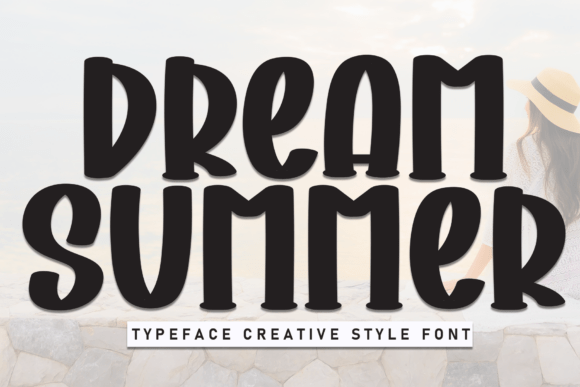
Dream Summer is a casual display font designed with readability and charm in mind. Its structure allows it to stand out without overshadowing the content it presents. Unlike more rigid or overly stylized fonts, Dream Summer maintains a balance between form and function, making it a versatile option across various design contexts.
For professionals and creators, the font fits naturally into broader design workflows where tone and legibility are equally important. Whether you're designing a poster for a summer event or crafting a brand identity that leans into a relaxed, contemporary vibe, Dream Summer can serve as a visual anchor that supports your message rather than distracts from it.
How Dream Summer Fits Into the Creative Process
Design workflows typically involve multiple stages—from initial ideation to final delivery. Dream Summer can be integrated at different points depending on the project's scope and goals. Here's how it aligns with common phases of creative work:
- Planning and Concept Development: During early brainstorming, choosing a font like Dream Summer can help define the tone of a project. Its casual yet modern appearance can influence color schemes, layout choices, and overall brand voice.
- Design Execution: Once the direction is set, Dream Summer can be applied to headlines, subheadings, or key visual elements. Its clarity makes it ideal for display use without compromising readability.
- Final Output and Delivery: In the final stages, ensuring consistent use of Dream Summer across assets helps maintain brand cohesion. This is especially important when delivering multi-format content like digital ads, print materials, or social media graphics.
Using Dream Summer Alongside Other Tools and Platforms
Fonts don't exist in isolation—they interact with other elements in a design ecosystem. Dream Summer works well alongside popular design tools and platforms, making it easy to incorporate into existing workflows.
For example:
- In Adobe Creative Cloud, Dream Summer can be used across Illustrator, Photoshop, and InDesign for both print and digital design.
- On Figma or Sketch, it adds a touch of personality to UI/UX mockups, especially for apps or websites targeting lifestyle, wellness, or creative audiences.
- For Canva users, integrating Dream Summer enhances the visual appeal of social media posts, infographics, and presentation slides without requiring advanced design skills.
Its compatibility with web platforms like Google Fonts or Adobe Fonts also makes it a practical choice for responsive web design, ensuring consistency across both desktop and mobile interfaces.
Practical Implementation Tips for Using Dream Summer
While Dream Summer is user-friendly, a few strategic considerations can help maximize its impact within your design process:
- Pair It Wisely: Combine Dream Summer with simpler, more neutral fonts to maintain readability. A clean sans-serif like Open Sans or Montserrat works well for body text when Dream Summer is used for headings.
- Test Across Formats: Always preview how Dream Summer looks in different contexts—print, screen, and mobile. This helps ensure legibility remains consistent regardless of the medium.
- Use It Sparingly: As a display font, Dream Summer shines best when used for emphasis rather than extended text. Reserve it for titles, callouts, and branding elements to preserve its visual impact.
- Check Licensing: Confirm that the version of Dream Summer you're using is appropriately licensed for your intended application—especially if it's for commercial use or embedded in a product.
Integrating Dream Summer into Branding and Marketing Workflows
For entrepreneurs, marketers, and small business owners, branding consistency is key. Dream Summer can be a valuable asset in crafting a brand identity that feels both modern and approachable. Here’s how to incorporate it effectively:
- Brand Voice Alignment: If your brand leans toward a relaxed, friendly, or youthful tone, Dream Summer complements that voice visually. It works especially well for lifestyle brands, cafes, wellness services, and creative studios.
- Marketing Materials: From email headers to promotional banners, Dream Summer adds a clean, inviting touch to marketing assets. It helps create a visual hierarchy that guides the viewer’s attention naturally.
- Product Packaging: For physical products, the font’s clarity and character make it suitable for packaging design, especially in markets where a human, handcrafted feel is desirable.
Long-Term Use and Workflow Efficiency
Choosing a font that supports long-term brand consistency and design efficiency is essential. Dream Summer's balanced structure makes it scalable across projects and adaptable to evolving brand needs.
Consider the following for maintaining efficiency:
- Organize Font Usage: Keep a centralized style guide that outlines when and how to use Dream Summer across different applications. This ensures consistency in team environments and across multiple projects.
- Update as Needed: While Dream Summer is timeless in its appeal, periodically review how it aligns with your current brand strategy. Small adjustments in weight or spacing can refresh its appearance without losing its core identity.
- Ease of Access: Store font files in shared cloud drives or design systems to streamline access for team members and external collaborators.
Real-World Applications and Workflow Examples
Let’s look at a few real-world scenarios where Dream Summer adds value to the creative or business process:
- Freelance Designers: When working on a client project for a new coffee shop, a designer might use Dream Summer for the logo and menu headers to convey warmth and modernity. Pairing it with a clean body font maintains readability across the brand kit.
- Bloggers and Content Creators: A lifestyle blogger may incorporate Dream Summer into social media templates and blog headers to create a cohesive, visually appealing aesthetic that resonates with their audience.
- Educators and Workshop Leaders: For downloadable course materials or workshop flyers, Dream Summer offers a clean, engaging look that enhances readability and visual appeal without feeling too formal.
Conclusion: Making Dream Summer a Seamless Part of Your Workflow
Incorporating Dream Summer into your design or branding process isn’t just about aesthetics—it's about enhancing communication. Its ability to blend clarity with a relaxed vibe makes it a smart choice for professionals across industries. By understanding where and how to use it effectively, you can ensure that your visual content supports your message while maintaining a polished, approachable tone.
Whether you're launching a new brand, designing marketing materials, or creating digital assets, Dream Summer can be a reliable tool in your creative toolkit. The key is to treat it like any other strategic element—plan its use, test its application, and integrate it thoughtfully into your broader workflow for the best results.