Angel Beach: A Soft, Versatile Font for Creative Designers
If you've come across the name Angel Beach and are curious about what makes it special, you're not alone. This elegant, soft-edged font has been gaining attention for its unique character and adaptability across design projects. Whether you're a professional designer, a blogger, or someone just starting with DIY crafts, Angel Beach can elevate your work — if used correctly.
What Makes Angel Beach Stand Out?
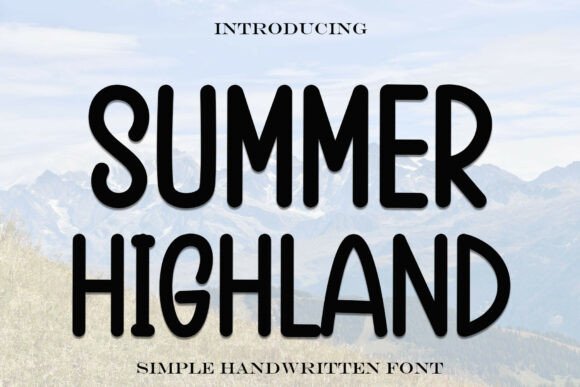
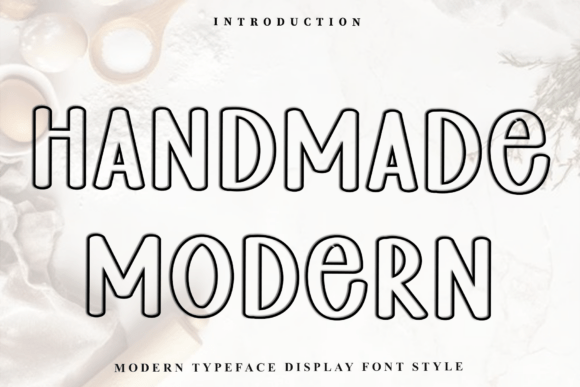
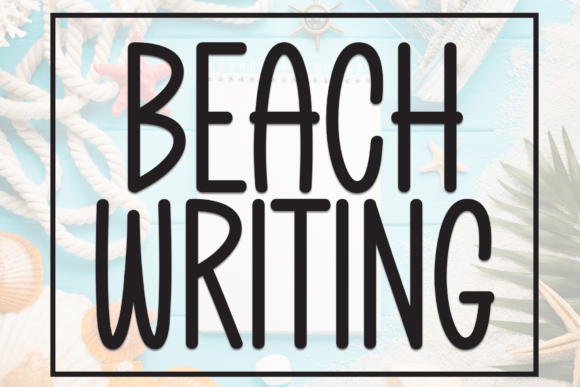
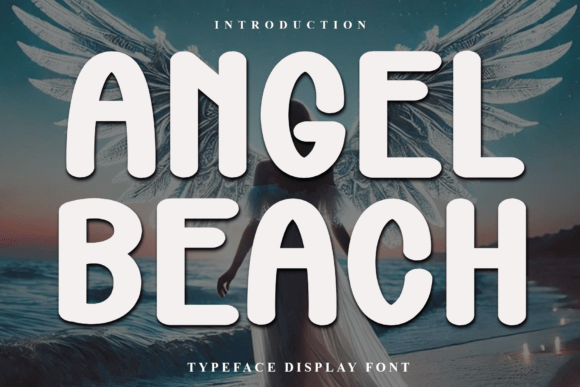
Angel Beach is more than just another decorative font. It's designed with smooth, flowing strokes that give it a gentle, almost whimsical appearance. This makes it ideal for designs that require a personal, handcrafted feel. Unlike rigid, overly formal typefaces, Angel Beach brings warmth and personality to the text, which is especially useful in branding, invitations, greeting cards, and web design.
One of the reasons for its growing popularity is its compatibility across platforms. Whether you're using Windows, macOS, or an open-source system like Linux, Angel Beach integrates smoothly into most design applications. It also supports a wide range of characters, making it suitable for international projects or multilingual content.
Common Mistakes When Choosing or Using Angel Beach
Despite its appeal, many users make avoidable mistakes when selecting or implementing Angel Beach in their work. These errors can reduce the font's effectiveness and even lead to poor design outcomes.
1. Misjudging the Right Context
While Angel Beach is beautiful, it's not always appropriate for every project. Some users apply it in formal or technical contexts where clarity and professionalism are key — such as legal documents or corporate reports — which can undermine the message.
Better approach: Save Angel Beach for creative or expressive uses like wedding invitations, children's book layouts, or boutique branding. For formal documents, stick to more traditional serif or sans-serif fonts.
2. Overusing It in a Design
Another common mistake is using Angel Beach for all text elements in a design. While it shines in headings or short text blocks, using it for long paragraphs can strain readability.
Better approach: Pair Angel Beach with a clean, legible font like Arial, Helvetica, or Georgia. Use it for titles or accents, and let the supporting font carry the body text.
3. Downloading from Unverified Sources
Some designers rush to download Angel Beach from third-party websites without checking licensing or file integrity. This can lead to security risks, incomplete character sets, or legal issues if the font is used commercially without proper permissions.
Better approach: Always download Angel Beach from reputable font marketplaces or the original designer's website. Confirm the license type — whether it's free for personal use, requires a commercial license, or is part of a subscription service.
What to Check Before Using Angel Beach
Before incorporating Angel Beach into your design, take a moment to verify a few key details. Doing so can save you time, effort, and potential headaches down the line.
- Licensing Terms: Know whether you're allowed to use the font in commercial projects, print, or digital media.
- Character Set: Ensure it supports all the special characters, accents, or symbols you need, especially if you're designing in multiple languages.
- File Format: Check if the font comes in formats compatible with your software (e.g., .ttf, .otf).
- Legibility: Test how Angel Beach reads at different sizes and in various contexts, especially on screens or in print.
Practical Tips for Using Angel Beach Effectively
To get the most out of Angel Beach, consider the following best practices:
- Use it for Visual Emphasis: Apply Angel Beach to headlines, quotes, or callouts where you want to draw attention without overwhelming the reader.
- Pair It with Contrasting Fonts: Combining Angel Beach with a modern sans-serif or a classic serif font can create visual balance and hierarchy.
- Test Across Devices: Make sure the font renders well on both desktop and mobile displays, especially if it's for web use.
- Keep It Consistent: If you're working on a brand or multi-page document, maintain consistent use of Angel Beach across all assets to reinforce visual identity.
Angel Beach vs. Similar Fonts: What to Consider
There are many soft, hand-drawn fonts similar to Angel Beach, such as Quicksand, Great Vibes, or Amatic SC. While they may look alike at first glance, subtle differences in weight, spacing, and character design can affect how they perform in your project.
Misunderstanding: Some users assume all soft fonts are interchangeable, but each has its own nuances. For example, Angel Beach may offer better legibility or more stylistic flexibility than others.
Solution: Always compare a few similar fonts side by side before making a decision. Download samples if possible, and test them in your actual design context.
Final Thoughts: Make Angel Beach Work for You
Angel Beach is a versatile, expressive font that can add a touch of elegance and warmth to your creative projects. However, like any design tool, its effectiveness depends on how you use it. Avoid common pitfalls by understanding the font’s strengths and limitations, verifying licensing and compatibility, and applying it thoughtfully in your work.
By taking a mindful approach, you'll not only enhance your designs but also ensure your message is communicated clearly and beautifully. Whether you're crafting a logo, designing a website, or creating personalized crafts, Angel Beach can be a valuable addition to your typographic toolkit — when used with care and intention.