Paloma: Integrating Tradition and Craft into Modern Design Workflows
Paloma is more than a font—it's a design element that bridges the gap between heritage and contemporary visual communication. Inspired by handcrafted lettering and rustic origins, Paloma brings a raw, artisanal quality to branding and creative projects. Whether you're designing a label for a small-batch mezcal brand or crafting a poster for a cultural event, Paloma offers a unique typographic voice that resonates with authenticity.
Understanding Paloma’s Role in the Design Process
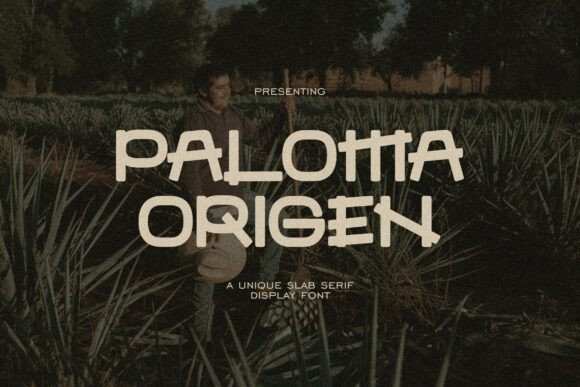
At its core, Paloma is a display font with geometric letterforms and playful construction. It’s designed to stand out while maintaining a sense of warmth and human touch. In the broader design workflow, Paloma often serves as a focal point—used for headlines, logos, or key brand elements where character and storytelling matter most.
Before diving into a project, it’s essential to understand how Paloma fits into your design hierarchy. As a bold and unconventional typeface, it works best when used sparingly and intentionally. Consider it a visual anchor rather than a default font. This approach ensures that its rustic charm enhances your message rather than overwhelms it.
Preparation: Choosing the Right Context for Paloma
Successful implementation starts with context. Paloma excels in projects rooted in tradition, craftsmanship, and origin stories. Think organic product packaging, artisanal brand identities, cultural event posters, or editorial features that emphasize authenticity.
- Mezcal labels benefit from Paloma’s earthy, handcrafted feel.
- Local food packaging gains character when paired with this font.
- Heritage brand campaigns can use Paloma to evoke a sense of history and authenticity.
Before selecting Paloma, ask whether your project’s tone aligns with its aesthetic. If your goal is to convey modern minimalism or high-tech precision, Paloma may not be the best fit. But if your brand or message celebrates origin, craft, or tradition, it can become a powerful visual ally.
Integrating Paloma into Your Creative Workflow
Once you’ve determined that Paloma aligns with your project’s goals, the next step is integration. Here’s how designers, marketers, and entrepreneurs can bring Paloma into their creative process effectively:
- Pair it with complementary fonts. Since Paloma is bold and decorative, balance it with clean, simple typefaces for body text. Sans-serif fonts like Montserrat or Open Sans provide a modern contrast that keeps your design readable and visually balanced.
- Use it in print and digital media strategically. On packaging, Paloma can be the hero element that draws attention on a shelf. In digital contexts, use it for headlines or call-to-action buttons where you want to evoke a sense of warmth and authenticity without sacrificing legibility.
- Test at different sizes and resolutions. Because of its intricate details, Paloma may lose clarity at very small sizes. Always test how it appears across different mediums—especially on mobile devices or printed materials.
When working with Paloma, consider using design tools like Adobe Illustrator or Figma that allow for precise control over typography. These platforms support OpenType features, giving you the flexibility to adjust ligatures, stylistic alternates, and other typographic nuances that enhance Paloma’s character.
Collaboration and Compatibility Across Teams
If you’re working within a team or handing off designs to a developer or printer, ensure Paloma is properly embedded or converted to outlines. This avoids font substitution issues and maintains consistency across outputs. When sharing files, always include a note about the font’s usage and any specific stylistic choices made during the design phase.
For web use, consider using services like Google Fonts or Adobe Fonts to license and implement Paloma. This ensures cross-browser compatibility and faster load times. If you're using it in a logo or header, converting it to SVG or PNG can also preserve its visual integrity without relying on web-safe fonts.
Refining Your Output: Quality Control and Long-Term Use
Once your design is complete, take time to review how Paloma performs in the final output. Print a sample if you’re producing physical materials, or preview digital assets on multiple devices. Pay attention to spacing, kerning, and color contrast—especially if you’re using Paloma over textured backgrounds or in combination with complex visuals.
For long-term brand consistency, consider creating a style guide that includes specific instructions for using Paloma. Define when and how it should be used, along with examples of acceptable and discouraged applications. This helps maintain a cohesive brand identity across marketing materials, packaging, and digital assets over time.
As your brand evolves, periodically reassess whether Paloma still aligns with your visual identity. While it’s a timeless font, design trends and brand messaging can shift. Keeping your typography aligned with your brand’s voice ensures continued relevance and resonance with your audience.
Workflow Efficiency: Making Paloma Part of Your Toolkit
Many designers find it helpful to keep a template file with pre-set text layers using Paloma. This saves time when starting new projects and ensures consistency in how the font is applied. You can also create reusable components in design systems or UI kits to streamline its use across multiple deliverables.
If you're a freelancer or agency professional working across multiple client projects, consider maintaining a font library with licensing details for Paloma and other premium typefaces. This helps avoid legal issues and ensures smooth collaboration with clients who may not be familiar with font licensing requirements.
Real-World Applications: Paloma in Action
Let’s look at a few real-world scenarios where Paloma adds value:
- A local coffee roaster launching a new line of single-origin beans uses Paloma for their packaging labels. The font’s rustic appeal aligns with the brand’s emphasis on origin and craftsmanship, creating a strong visual connection with conscious consumers.
- A cultural festival poster leverages Paloma for the event title, drawing attention with its bold presence while reflecting the artisanal nature of the performances and vendors featured.
- An independent clothing brand incorporates Paloma into its logo and hang tags, reinforcing a handmade aesthetic that appeals to customers looking for authenticity in fashion.
In each of these cases, Paloma isn’t just a stylistic choice—it’s part of a larger narrative that connects design to brand values and audience expectations.
Conclusion: Making Paloma Work for You
Paloma is a versatile and expressive font that brings a sense of tradition and craftsmanship to modern design. Whether you're working on a brand identity, packaging concept, or marketing campaign, integrating Paloma thoughtfully can elevate your visual storytelling and create a stronger emotional connection with your audience.
By understanding how Paloma fits into your workflow, preparing for its use, and refining your approach through testing and documentation, you can ensure it enhances your work without complicating your process. Treat it as a tool—like a well-crafted brush or a custom illustration—that adds depth and meaning to your creative output.
As you explore new projects and refine your design practice, consider how Paloma can become a signature element in your toolkit. When used with intention and care, it can help your work stand out while staying rooted in the values of origin, craft, and authenticity.