Pareto: A Strategic Tool for Clear Communication and Confident Branding
In the world of visual communication, typography plays a critical role in how messages are received and interpreted. Pareto is more than just a contemporary display font — it’s a strategic asset for those who understand the power of clarity, confidence, and consistency in branding and design. With its geometric structure and bold presence, Pareto offers a unique blend of minimalism and strength that can elevate visual identity when used thoughtfully.
Understanding Pareto: Design and Purpose
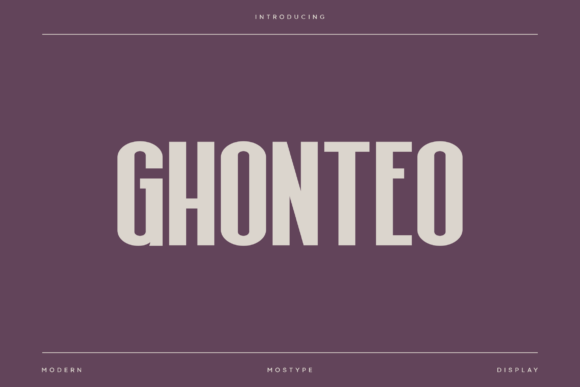
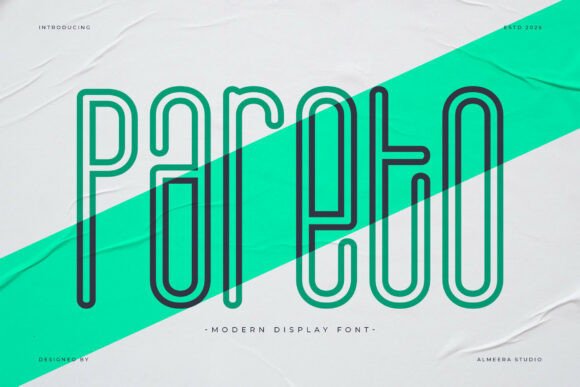
At its core, Pareto is a display font crafted with modern aesthetics in mind. Its clean lines, structured shapes, and balanced proportions reflect a geometric influence that supports readability and visual impact. Unlike ornate or decorative fonts, Pareto doesn’t distract — it commands attention with simplicity. This makes it especially effective in high-visibility applications such as headlines, logos, and promotional materials.
What sets Pareto apart is its versatility. It works equally well in digital and print environments, and its confident character makes it a strong choice for industries that value clarity and authority — from fashion and editorial design to branding and marketing campaigns.
How Pareto Supports Strategic Communication
Typography is a form of nonverbal communication. The font you choose conveys tone, personality, and intent before a single word is read. Pareto aligns with brands and creators who want to project strength without sacrificing elegance. Its structured design supports a message of professionalism and modernity, making it ideal for those who want to communicate competence and clarity.
- Brand positioning: Use Pareto to reinforce a brand voice that is bold, contemporary, and intentional.
- Editorial impact: In publishing and content creation, Pareto helps headlines stand out while maintaining readability.
- Visual hierarchy: Its strong presence allows for clear visual differentiation between headlines and body text.
Planning for Effective Use of Pareto
Like any design element, Pareto should be used with intention. It’s not a one-size-fits-all solution, but when aligned with the right message and medium, it can significantly enhance visual communication. Here are a few strategic considerations:
- Define the context: Is the application high-impact, such as a poster or logo? Pareto excels in short-form, attention-grabbing use cases.
- Match the tone: If your brand or message is understated or playful, Pareto may not be the best fit. It works best with confident, structured messaging.
- Pair thoughtfully: To maintain balance, pair Pareto with simpler, more neutral typefaces in body text or subheadings.
When to Use Pareto — And When to Step Back
Pareto shines in environments where visual strength and clarity are essential. It’s particularly effective in:
- Fashion branding and editorial layouts
- Corporate identity systems seeking a modern edge
- Marketing materials that demand attention
- Web headers and mobile app interfaces
However, it’s not ideal for long-form reading or situations where subtlety is key. Overuse or misapplication can lead to visual fatigue or misaligned messaging. Always consider the user experience and ensure that the font supports — not overshadows — the content it presents.
Strategic Pairing and Layout Integration
One of the most powerful ways to use Pareto is in combination with complementary typefaces. For example:
- Pair with sans-serif fonts: For a clean, modern look, combine Pareto with a neutral sans-serif like Helvetica or Open Sans.
- Use in contrast: Employ Pareto for headlines and switch to a serif font for body text to create visual rhythm and readability.
- Limit its presence: Use it selectively to highlight key points rather than throughout an entire layout.
The Risks of Misaligned Typography
Typography that doesn’t align with brand values or audience expectations can undermine credibility and engagement. Using Pareto without a clear understanding of its visual language can lead to mismatched branding, reduced readability, or a disjointed user experience. It’s important to test how Pareto performs across different platforms and formats before committing to it long-term.
Some potential pitfalls include:
- Overuse in inappropriate contexts
- Mismatch with brand tone or personality
- Poor legibility in certain sizes or formats
Using Pareto Intentionally: A Practical Guide
To get the most out of Pareto, approach its use as part of a broader design strategy. Consider the following steps:
- Start with goals: What message are you trying to convey? How should your audience feel when they see your content?
- Test across formats: Try Pareto in digital and print mockups to assess its performance and readability.
- Seek feedback: Get input from stakeholders or target users to ensure the font supports your intended impact.
- Evaluate consistency: Ensure that Pareto works cohesively across all brand touchpoints — from websites to packaging.
Long-Term Value Through Intentional Typography
Typography is not just about aesthetics — it’s about communication. When used strategically, Pareto can help reinforce brand identity, enhance user experience, and support long-term messaging consistency. By aligning its use with your broader communication and branding strategy, you ensure that every visual element contributes to your overall goals.
Consider how Pareto fits into your larger creative ecosystem:
- Does it align with your brand’s visual language?
- Does it enhance readability and engagement?
- Is it scalable across different platforms and applications?
Conclusion: Typography as a Strategic Decision
In a world where attention spans are short and visual clarity is essential, choosing the right typeface is more than a design decision — it’s a strategic one. Pareto offers a compelling combination of strength, structure, and style that can support a wide range of creative and professional goals. But like any tool, it’s most effective when used with purpose.
By understanding the design principles behind Pareto, testing its application, and aligning it with your brand’s voice and goals, you position yourself to communicate more effectively and build stronger visual identities. Typography isn’t just about how things look — it’s about how they work. And with Pareto, you have a typeface that works as hard as you do.