Break Time: A Strategic Font Choice for Creative Communication and Brand Expression
Choosing the right typeface isn't just about aesthetics—it's a strategic decision that influences how your message is received and remembered. Break Time is a casual, hand-drawn display font that brings warmth, personality, and approachability to visual communication. While it may seem like a small detail, the deliberate use of Break Time can enhance branding, improve engagement, and support long-term creative goals when applied with intention.
Understanding Break Time: More Than Just a Font
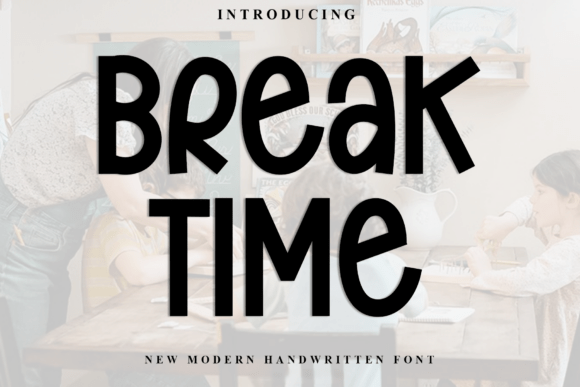
At first glance, Break Time appears playful and informal, with its rounded edges and light, bouncy strokes. It’s designed to feel like handwriting—organic and human. But beneath its whimsical surface lies a font that, when used thoughtfully, can serve a clear strategic purpose in design and communication workflows.
Unlike rigid, impersonal typefaces, Break Time invites connection. It's particularly effective when the goal is to humanize a message, whether that's in a personal blog post, a brand campaign, or a creative side project. Its handcrafted appearance subtly signals authenticity, which is increasingly valuable in a digital world often dominated by polished, algorithmic content.
Strategic Use of Break Time in Design and Branding
Design choices should never be arbitrary. Every font, color, and layout element should support a broader communication or business objective. Here's how Break Time can be integrated into a strategic visual identity:
- Brand Personality Expression: If your brand values include warmth, creativity, or friendliness, Break Time can help reinforce those traits visually.
- Emotional Engagement: The font’s informal tone can help reduce perceived distance between creator and audience, making content feel more personal and accessible.
- Attention to Detail: Using a unique font like Break Time shows intentionality, which can elevate your design from generic to memorable.
When and How to Use Break Time Effectively
While Break Time is versatile, it’s not universally appropriate. Knowing when and how to use it is key to leveraging its full potential without undermining your message.
Best Use Cases for Break Time
- Personal Projects: Ideal for blogs, handmade product labels, or creative portfolios where a casual, human feel is desired.
- Invitations and Greeting Cards: The font’s warmth makes it a natural fit for event announcements, baby showers, or birthday invites.
- Social Media Graphics: Especially effective for platforms like Instagram and Pinterest, where visual tone matters as much as content quality.
- Children’s Content: Whether it's a book, app, or educational material, Break Time’s round, friendly appearance resonates well with younger audiences.
Approaching Break Time with Intention
Don’t just use Break Time because it’s cute or trendy. Ask yourself: Does this font align with my brand’s tone and message? Is it supporting the emotional response I want to evoke? These are the kinds of strategic questions that turn a design choice into a meaningful communication tool.
Pair it with clean, minimalist layouts to let it shine. Combine it with neutral or pastel color palettes to maintain a cohesive, intentional aesthetic. And always consider legibility—Break Time is best suited for short-form text like headlines or captions, not for body copy or long-form reading.
Integrating Break Time into Your Creative Workflow
Intentional use of Break Time requires more than just downloading the font. It should be part of a broader creative or marketing strategy. Consider these practical steps:
- Define the Purpose: Determine what you want the font to communicate—friendliness, creativity, or nostalgia—and ensure that aligns with your overall message.
- Test Across Platforms: Preview how Break Time appears on different devices and screen sizes, especially for digital content.
- Use Sparingly: Too much of a playful font can dilute its impact and make your design feel unprofessional.
- Pair with Complementary Fonts: Balance Break Time with a clean sans-serif or serif font for contrast and readability.
Long-Term Value of Thoughtful Font Choices
Fonts like Break Time contribute to brand consistency and recognition over time. When used consistently across marketing materials, social posts, and product packaging, they help build a visual language that audiences come to associate with your brand. This kind of visual coherence supports long-term trust and loyalty.
Moreover, when you're creating content that’s meant to stand out in a saturated digital space, a well-placed, well-chosen font can be the difference between blending in and being noticed.
Risks of Misusing Break Time
Despite its charm, using Break Time without a clear strategy can lead to unintended consequences. For instance:
- Misalignment with Brand Tone: If your brand is formal or professional, Break Time may send the wrong message.
- Reduced Legibility: In certain contexts or at small sizes, its playful nature can make it hard to read.
- Overuse: Relying too heavily on a single font can make your content feel repetitive or amateurish.
Always test your design in real-world applications before publishing or printing. Ask for feedback from others who understand your brand voice and audience expectations.
Decision-Making Guidance for Font Selection
When considering Break Time for your next project, ask yourself the following:
- Who is my target audience, and what tone will resonate with them?
- What is the primary message or emotion I want to convey?
- Is this font appropriate for the medium (e.g., print, web, social media)?
- Does this font support my brand’s visual identity and consistency standards?
- Am I using it in a way that enhances readability and engagement, not hinders it?
Conclusion: Break Time as a Tool for Intentional Creativity
In the right context, Break Time is more than just a font—it's a creative tool that can help you build connection, express personality, and reinforce brand identity. But like any tool, its value lies in how you use it. By approaching Break Time with strategy and intention, you can ensure it supports your broader communication goals rather than just adding visual flair.
Whether you're a designer, marketer, educator, or small business owner, understanding the strategic role of typography can help you make better creative decisions. So next time you're choosing a font, remember: Break Time isn't just a style—it's a statement.