Scratchy Sketch: A Strategic Tool for Expressive Design and Brand Communication
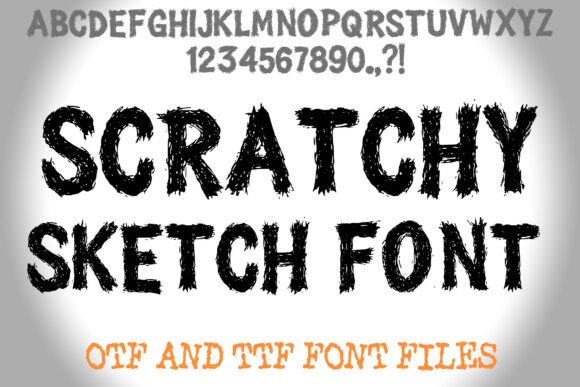
When it comes to visual communication, the choice of typography can significantly influence how a message is received. Scratchy Sketch is a bold, hand-drawn display typeface that captures the raw energy of organic, uneven strokes. Designed to mimic the look of scratchy sketch lines, it brings a textured, edgy aesthetic to any project. For designers, marketers, and content creators looking to evoke a sense of authenticity or rebellion, this font offers a powerful visual language.
The strategic value of Scratchy Sketch lies in its ability to convey mood and tone without relying on imagery alone. In branding, where consistency and emotional resonance matter, choosing a typeface like Scratchy Sketch can help position a product or message in a specific cultural or aesthetic context. Whether it’s for a horror-themed poster, a grunge-inspired album cover, or a limited-edition Halloween product line, this font supports creative direction with visual intent.
When to Use Scratchy Sketch for Maximum Impact
Not every design project benefits from a textured, rough-hewn font. Scratchy Sketch excels in scenarios where the goal is to create a visceral reaction or to communicate something unconventional. It works particularly well in:
- Event posters – especially for underground music shows, horror film screenings, or alternative art exhibits
- Seasonal campaigns – Halloween promotions, dark-themed branding, or retro-inspired marketing
- Editorial design – for edgy magazine layouts or creative book covers that demand attention
- Brand identities – for niche markets that value raw authenticity over polished perfection
Using Scratchy Sketch outside of these contexts can dilute its impact or confuse the audience. It’s not a font for corporate reports or formal invitations. Instead, it thrives where rules are bent, and creativity is unfiltered.
Strategic Planning: Integrating Scratchy Sketch into Your Design Workflow
Before incorporating Scratchy Sketch into a design, it’s essential to consider how it aligns with the broader visual and messaging strategy. Typography is not just about legibility—it's about tone, emotion, and brand voice. Here’s how to approach integrating this typeface thoughtfully:
- Define the emotional tone – Does the project call for grit, rebellion, or a handmade feel? If so, Scratchy Sketch may be a strong fit.
- Assess the audience – Is the target demographic likely to respond to a raw, textured aesthetic? Younger audiences or niche creative communities often appreciate this kind of visual language.
- Balance with other design elements – Use Scratchy Sketch as a highlight rather than the dominant font. Pair it with clean sans-serif or minimalist serif fonts to create contrast and hierarchy.
- Test readability – While Scratchy Sketch is best used for short headlines or titles, always test how it appears in different sizes and on various backgrounds.
- Consider brand consistency – If using this font for brand assets, ensure it aligns with the overall personality and values of the brand.
These steps help ensure that the use of Scratchy Sketch is intentional, not incidental, contributing to a cohesive and strategic design outcome.
How Scratchy Sketch Supports Creative Branding and Messaging
In branding, differentiation is key. Scratchy Sketch offers a way to stand out in saturated markets by signaling a break from the norm. For example, a small coffee roaster launching a limited-edition “Midnight Roast” could use Scratchy Sketch across packaging and promotional materials to evoke a sense of mystery and artisanal craftsmanship. The font’s rough texture adds to the narrative of handcrafted, small-batch production.
Similarly, a boutique design agency targeting creative startups might use Scratchy Sketch in a campaign that emphasizes “breaking the mold” or embracing imperfection. This kind of visual storytelling strengthens brand positioning by aligning form and function.
Risks of Using Scratchy Sketch Without Strategic Intent
As with any expressive design element, using Scratchy Sketch without a clear purpose can lead to unintended consequences. Overuse or misuse may:
- Confuse the audience – If the tone of the font doesn’t match the message, it can create dissonance.
- Dilute brand identity – Consistency is key in branding. A font like Scratchy Sketch should enhance, not overshadow, the brand’s core message.
- Reduce readability – Especially in long-form text or small sizes, this font can become difficult to read.
- Alienate certain demographics – Not all audiences respond positively to edgy or chaotic aesthetics. Some may perceive it as unprofessional or immature.
To avoid these pitfalls, always tie the use of Scratchy Sketch back to a defined goal. Ask: Does this font support the message? Is it appropriate for the context? Will it resonate with the intended audience?
Practical Examples of Scratchy Sketch in Real-World Applications
Let’s look at a few practical applications where Scratchy Sketch has been used effectively:
- Halloween Event Flyer – A local haunted house attraction used Scratchy Sketch for the event title, paired with a simple black-and-white layout. The font’s scratchy texture added to the eerie atmosphere without overwhelming the design.
- Music Album Art – An independent punk band used the font for their album title, giving the artwork a DIY feel that resonated with their fan base.
- Streetwear Branding – A clothing brand focused on urban culture incorporated Scratchy Sketch into their logo and packaging, reinforcing their brand’s rebellious and unconventional identity.
- Art Exhibition Poster – A contemporary art exhibit titled “Raw Edges” used the font to reflect the theme of unrefined creativity, tying the typography directly to the concept.
Each of these examples demonstrates how thoughtful use of Scratchy Sketch enhances the design rather than detracts from it.
Long-Term Value: How Scratchy Sketch Can Support Creative Growth
Typography is more than a design choice—it's a communication tool. By understanding when and how to use fonts like Scratchy Sketch, designers and marketers can build stronger, more expressive visual identities. This kind of strategic thinking supports long-term creative growth by encouraging intentional design decisions that align with business and branding goals.
For entrepreneurs and small business owners, investing time in understanding typography can lead to more impactful marketing materials, better customer engagement, and stronger brand recognition. Scratchy Sketch, when used appropriately, becomes part of a broader visual strategy rather than a random stylistic flourish.
Final Thoughts: Using Scratchy Sketch with Purpose
In the world of design, every choice communicates something. Scratchy Sketch is not just a font—it's a visual statement. When used strategically, it can elevate a design, reinforce a brand’s personality, and connect with audiences on a deeper level. But like any powerful tool, it requires intention, planning, and an understanding of context.
Whether you're a seasoned designer, a marketing professional, or a small business owner looking to make a visual impact, Scratchy Sketch offers a compelling option for projects that demand authenticity and edge. By integrating it thoughtfully into your creative process, you ensure that your message not only stands out but also resonates meaningfully with your audience.