Garden Farming: Strategic Typography for Purpose-Driven Design
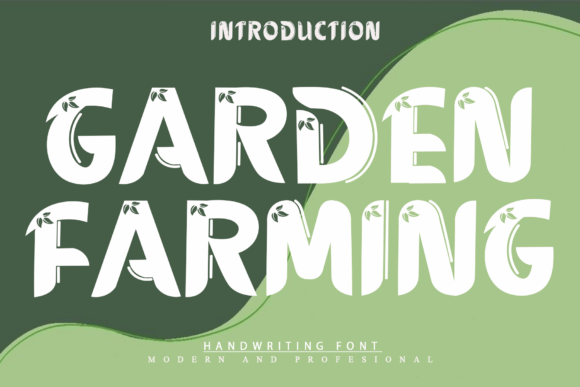
Typography plays a critical role in shaping how audiences perceive and interact with content. In a world where visual communication is increasingly influential, selecting the right typeface is more than a design choice—it’s a strategic decision. Garden Farming is a display font that stands out not only for its visual appeal but also for the emotional resonance it creates. Inspired by nature, this font features bold, rounded letterforms accented with playful leaf motifs, making it a compelling option for brands and creators seeking to convey warmth, authenticity, and organic connection.
Why Garden Farming Works in Strategic Design
Fonts like Garden Farming are more than decorative elements—they shape brand voice, influence user experience, and support messaging goals. When used intentionally, this font can reinforce a brand’s positioning in the eco-conscious, organic, or artisanal space. Its visual cues align with themes of sustainability, growth, and natural living, making it a smart choice for businesses and creators who want to reflect those values through their visual identity.
Strategically, Garden Farming supports communication by enhancing readability in key touchpoints such as packaging, marketing materials, and digital platforms. It’s particularly effective in contexts where a sense of approachability and trust is essential—think farm-to-table menus, gardening blogs, or organic product labels. When aligned with brand values, typography becomes a silent but powerful brand ambassador.
Planning for Purposeful Use of Garden Farming
Before incorporating Garden Farming into your design system, it's important to consider how it fits into your broader visual and messaging strategy. Start by asking: does the tone of this font align with your brand personality? If your brand communicates sophistication or minimalism, Garden Farming may not be the best fit. However, if your brand leans toward warmth, nature-inspired aesthetics, or community-centered messaging, this font can serve as a meaningful visual anchor.
- Define your brand tone before selecting typography.
- Consider context—where will the font be used most frequently?
- Test readability across digital and print formats.
- Evaluate contrast with other fonts in your typographic system.
When and How to Use Garden Farming Effectively
Garden Farming shines in design applications that benefit from a touch of whimsy and organic charm. It’s best suited for headlines, logos, and accent text rather than long-form body copy. For example, a local farmer’s market might use Garden Farming in event posters and social media headers to evoke a sense of community and freshness. Similarly, a sustainable home goods brand could use it sparingly on product packaging to emphasize eco-friendly values.
Strategic application means knowing when to use it and when to step back. Overuse of a decorative font can lead to visual fatigue or dilute brand clarity. A balanced approach—using Garden Farming alongside more neutral, legible fonts—ensures your design remains both expressive and functional.
Practical Use Cases for Garden Farming
- Organic product packaging – Reinforce natural branding with playful, nature-inspired typography.
- Gardening and lifestyle blogs – Create a warm, inviting reading experience with thematic headers.
- Farm-to-table restaurant menus – Enhance the sensory appeal of food offerings with organic design elements.
- Eco-friendly brand logos – Communicate sustainability and approachability through visual language.
- Creative workshops or retreats – Use in promotional materials to evoke a sense of growth and renewal.
Strategic Risks of Misusing Garden Farming
Typography is not a one-size-fits-all solution. While Garden Farming brings a distinctive visual flavor, using it without strategic intent can lead to misalignment with brand messaging. For instance, a financial services firm or a legal consultancy would likely find Garden Farming incongruent with the professional tone they aim to project.
Additionally, using the font inappropriately—such as for body text in long-form content—can compromise readability and user experience. Strategic design requires thoughtful application, not just aesthetic appeal. The goal is to enhance communication, not distract from it.
Integrating Garden Farming Into a Larger Design System
To use Garden Farming effectively, integrate it into a broader design system that balances form and function. Pair it with clean, legible sans-serif or serif fonts for body text to maintain visual hierarchy and readability. Consider how color, spacing, and layout interact with the font to create a cohesive look and feel.
For digital applications, test how the font renders across devices and browsers. Some display fonts may lose clarity on mobile screens or in low-resolution environments. Ensuring cross-platform consistency is key to maintaining a professional and polished brand presence.
Long-Term Value Through Intentional Typography
Typography like Garden Farming contributes to long-term brand recognition when used with purpose. Over time, consistent visual language builds familiarity and trust with your audience. However, this requires more than selecting a font once—it demands ongoing evaluation and refinement as your brand evolves.
As part of your brand strategy, revisit your typographic choices annually or during major brand updates. Ask: does this font still reflect who we are? Is it supporting our goals in customer engagement and messaging clarity? By aligning design decisions with business strategy, you ensure that every visual element contributes meaningfully to your brand’s success.
Conclusion: Designing with Purpose and Precision
Garden Farming is more than a typeface—it’s a tool for storytelling and connection. When used thoughtfully, it enhances branding, supports communication goals, and enriches the visual experience of your audience. But like any design element, its value lies in how intentionally it’s applied.
Whether you're launching a new product line, redesigning a website, or crafting marketing materials, consider how Garden Farming can support your strategic objectives. By aligning typography with brand values, audience expectations, and practical usability, you create designs that are not only beautiful but also effective.