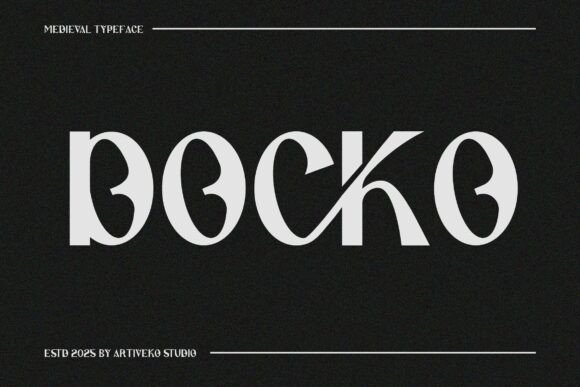
Docko: Elevating Design Workflows with Sophisticated Typography
Typography plays a pivotal role in shaping how audiences perceive visual content. Docko, a high-end display serif font, stands out by blending strong contrast, refined curves, and bold letterforms that communicate sophistication and modern luxury. Whether you're crafting a brand identity, designing editorial layouts, or producing upscale marketing materials, Docko offers a distinct typographic voice that enhances both aesthetics and message delivery.
Understanding Docko in the Design Ecosystem
Docko isn't just a font; it's a design asset that fits seamlessly into broader creative workflows. As a display serif, it's particularly effective in contexts where visual impact and elegance are key—such as fashion magazines, packaging design, invitations, and premium branding projects. Unlike standard body fonts, Docko is designed to make a statement, often used in titles, headers, or key visual elements where typography itself becomes part of the design narrative.
In the early stages of a design project, selecting the right typeface can influence everything from layout structure to color choices. Docko's distinctive character makes it ideal for defining a project's tone before visual elements are even placed. Its high contrast and sculptural forms work best when paired with clean, minimalist layouts that allow the type to breathe and stand out.
Integrating Docko into Your Creative Process
Designers often begin with sketches or mood boards to establish visual direction. At this stage, considering Docko can help shape the overall aesthetic. If your project leans toward luxury, editorial elegance, or high-end branding, Docko can be a guiding element in choosing supporting visuals, textures, and layout structures.
During the design phase, Docko works well in both print and digital formats. For print, especially in packaging or invitation design, its sculptural qualities translate beautifully into embossed or foil-stamped finishes. In digital contexts—such as editorial websites or social media graphics—Docko adds a touch of refinement without being overly ornate, provided it's used at appropriate sizes and with sufficient spacing.
Before, During, and After Implementation
Before diving into layout design, it's helpful to test Docko in various applications. Try pairing it with different body fonts to assess contrast and readability. Use it in mock headlines or logo treatments to see how it aligns with your brand's visual language.
During the execution phase, Docko should be used strategically. Because of its strong presence, it’s best reserved for titles, pull quotes, or accent text rather than extended body copy. This ensures legibility while maintaining its impact. When integrating Docko into digital platforms like Adobe Creative Suite or Figma, ensure it's properly licensed and embedded to avoid display issues across devices.
After implementation, it's important to evaluate how Docko performs in real-world use. Does it align with brand messaging? Is it legible across different mediums? Gathering feedback from stakeholders or users can help refine its application in future projects.
Pairing Docko with Other Tools and Assets
Typography doesn't exist in a vacuum. Docko works best when integrated with complementary tools and design elements. Here are some practical considerations:
- Color Palettes: Docko's elegant contrast pairs well with muted tones, metallic accents, or high-contrast black-and-white schemes.
- Imagery: Use it alongside clean, high-resolution photography or abstract textures to let the typography shine.
- Software Compatibility: Ensure Docko is compatible with your design software. Most modern platforms support OpenType features, which allow for ligatures, alternates, and stylistic swashes that enhance Docko’s character.
- Brand Systems: If Docko is part of a larger brand identity system, maintain consistency by using it only in designated applications—such as headlines or logo marks—while choosing simpler sans-serif fonts for body text.
Workflow Optimization with Docko
Efficiency in design workflows often comes down to preparation and consistency. To streamline your use of Docko:
- Create reusable style guides that define Docko's usage across different applications.
- Set up character styles in design software to ensure uniformity across documents.
- Establish naming conventions for layers or files that include Docko to simplify collaboration and asset management.
- Use version control when working on branding projects to track how Docko integrates with evolving design elements.
Practical Use Cases Across Industries
Docko's versatility makes it a valuable asset across multiple design disciplines. Here are a few real-world applications:
- Fashion and Luxury Branding: Docko's sculptural forms align perfectly with high-fashion aesthetics, making it ideal for logos, packaging, and campaign headers.
- Editorial Design: In magazine covers and editorial titles, Docko adds gravitas and visual interest without overshadowing the content.
- Event Invitations: Whether for weddings or corporate galas, Docko lends a sense of occasion and exclusivity.
- Product Packaging: From perfume bottles to artisanal food labels, Docko enhances perceived value through typographic elegance.
Long-Term Considerations and Scalability
When investing in a premium typeface like Docko, it's important to consider long-term use. Licensing models vary, so ensure that your usage aligns with the terms—especially if you're applying it across multiple platforms or in commercial products.
As design trends evolve, Docko's timeless quality ensures it remains relevant. However, periodic audits of your brand assets can help determine whether its application still aligns with your visual identity. Updating layouts or refining typographic pairings can extend its usability without requiring a complete overhaul.
Final Thoughts: Docko as a Design Workflow Enhancer
Incorporating Docko into your workflow isn't just about choosing a typeface—it's about enhancing the visual narrative of your projects. By understanding its role in the broader design process, preparing for its integration, and maintaining consistency across applications, you can leverage Docko to elevate both the aesthetics and impact of your creative work.
Whether you're a seasoned designer, an entrepreneur building a brand, or a content creator refining your visual presence, Docko offers a refined typographic solution that aligns with modern luxury and professional polish. With thoughtful implementation, it becomes more than a font—it becomes a signature element of your design language.