How Magic Garden Font Can Elevate Your Design Strategy
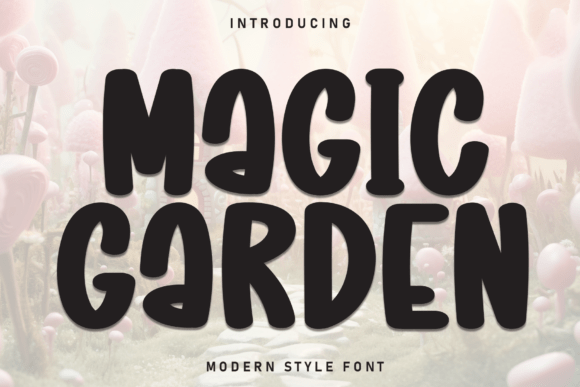
Choosing the right typeface is more than a design decision—it's a strategic move that shapes perception, enhances communication, and supports long-term brand positioning. Magic Garden stands out as a versatile display font that balances clarity with a relaxed, approachable aesthetic. Its clean lines and friendly structure make it ideal for creative professionals and business owners who want to convey modernity without sacrificing warmth.
Unlike overly stylized fonts that can distract or confuse, Magic Garden brings personality while maintaining readability. This dual benefit allows it to work well in branding, marketing materials, packaging, and digital content where tone and clarity are equally important. But to get the most out of this font, it’s essential to use it intentionally and in alignment with your broader communication goals.
Why Magic Garden Works for Strategic Design
Design is a language, and typography is one of its most expressive dialects. Magic Garden speaks in a tone that’s both contemporary and inviting. Its casual elegance makes it a strong choice for brands that want to appear innovative but not intimidating. This is especially valuable in industries where approachability and trust are key, such as wellness, education, lifestyle, and creative services.
From a strategic standpoint, using a font like Magic Garden can help reinforce your brand’s personality. If your messaging is warm, human-centered, or community-driven, this font supports that tone without compromising professionalism. It bridges the gap between formal and informal, allowing for a broader range of applications while maintaining visual consistency.
When to Use Magic Garden for Maximum Impact
While Magic Garden is highly readable for a display font, it’s best used in contexts where visual appeal and emotional resonance are as important as legibility. Think headlines, subheadings, logo treatments, and short-form content like social media graphics, product packaging, and promotional posters.
- Branding – For startups and small businesses looking to build a warm, memorable identity.
- Marketing materials – Flyers, banners, and email headers that need to feel engaging but not overdesigned.
- Product packaging – Especially in lifestyle, artisanal, or eco-conscious markets.
- Digital content – Web banners, social media visuals, and landing page headers where personality enhances engagement.
Avoid using it for long-form body text or in situations where strict formality is required. The font’s casual nature may not align with highly technical or corporate environments unless used as a stylistic contrast to create visual interest.
Planning Your Use of Magic Garden
Integrating Magic Garden into your design workflow should be part of a larger strategic planning process. Start by asking how it aligns with your brand voice and the emotional response you want to evoke. Consider these practical steps:
- Define your goal – Is the design meant to be playful, welcoming, or aspirational?
- Test across formats – See how it looks in print, on mobile, and at different sizes.
- Pair thoughtfully – Combine with a clean sans-serif or serif font to maintain readability and balance.
- Review brand consistency – Ensure it fits with your overall visual language and doesn’t clash with existing assets.
These steps help ensure that your use of Magic Garden is not just stylistic but also functional and aligned with your brand strategy.
Strategic Pairing and Layout Considerations
Typography is rarely used in isolation. How you pair Magic Garden with other fonts and visual elements will determine how effectively it contributes to your message. A good rule of thumb is to use it for headlines or call-to-action text and pair it with a more neutral font for supporting copy.
For example, if you're designing a poster for a weekend workshop, use Magic Garden for the event title and a simple sans-serif like Open Sans or Lato for the details. This creates a visual hierarchy that guides the viewer’s eye and enhances readability.
Also, consider spacing and alignment. Because Magic Garden has a relaxed structure, giving it ample white space helps it breathe and prevents it from feeling cluttered. This is especially important when used in digital formats where screen resolution can affect perceived clarity.
Long-Term Branding with Magic Garden
Font choices have a lasting impact on brand recognition. Using Magic Garden consistently across marketing channels can reinforce your brand’s tone and personality over time. However, consistency alone isn’t enough—your use of the font should also be intentional and context-sensitive.
For instance, if you're launching a new product line aimed at a younger, more casual audience, Magic Garden can help establish a fresh and engaging tone. But if you later expand into a more formal market segment, you may need to adjust your typographic choices accordingly.
This kind of strategic flexibility ensures that your brand remains relevant and adaptable without losing its visual identity. The key is to treat Magic Garden as a tool in your brand toolkit, not a one-size-fits-all solution.
Potential Risks of Misusing Magic Garden
Even the best fonts can be misused. Magic Garden has a distinct personality, and if not used with care, it can unintentionally shift the tone of your message. For example, using it in a financial services brochure might make the content feel less authoritative than intended.
Another risk is overuse. While it’s tempting to apply a visually appealing font across all your materials, doing so can dilute its impact. Instead, reserve Magic Garden for moments where it adds the most value—like headlines, logos, or featured content—and use more neutral fonts for supporting information.
Finally, consider accessibility. While the font is clean and readable, always test it in real-world applications to ensure it meets legibility standards for all users, especially those with visual impairments.
Final Thoughts: Using Magic Garden with Intent
Typography is a powerful but often underutilized component of strategic design. When used thoughtfully, Magic Garden can enhance your brand’s personality, improve communication, and support your long-term visual identity goals. But its effectiveness depends on how intentionally you apply it.
Before incorporating it into your next project, ask yourself: Does it align with my message? Will it support the emotional response I’m aiming for? And most importantly, does it serve the user’s experience?
By approaching Magic Garden with these strategic questions in mind, you’ll be able to make design decisions that are not only visually appealing but also purpose-driven and results-oriented.