Internal Disorder: A Bold Stencil Font for High-Impact Design
What Makes Internal Disorder Stand Out?
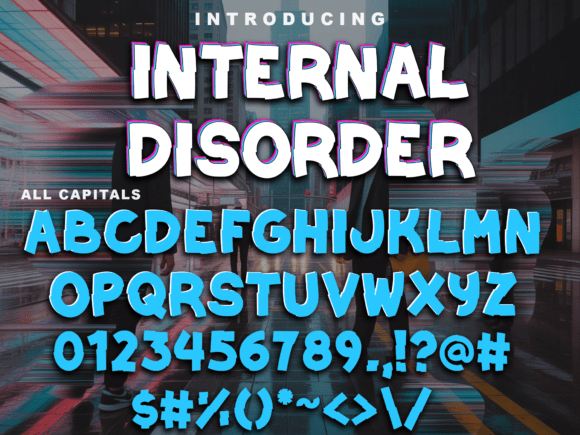
Internal Disorder isn't just another font—it's a visual punch. With its rugged texture and intentional distortion, this stencil typeface is built to grab attention and hold it. Unlike cleaner, more polished fonts, Internal Disorder embraces asymmetry and grit, making it ideal for designs that need to feel raw, urgent, or tactical. Whether you're designing for military branding, survival gear packaging, or a statement poster, this font brings a sense of urgency and authenticity that few others can match.
Real-World Applications for Maximum Impact
One of the most compelling uses for Internal Disorder is in military and tactical branding. Think of unit patches, gear labels, or mission-specific signage—places where clarity under pressure matters. The font’s distorted stencil effect mimics the look of weathered, battlefield-ready materials, giving designs an instant sense of realism and authority.
For survival gear and outdoor brands, Internal Disorder helps reinforce a rugged, no-nonsense identity. Whether it's printed on a backpack, etched into a survival knife, or used in digital ads for tactical apparel, this font speaks directly to the audience’s need for durability and preparedness. It doesn’t just say “outdoor gear”—it says “this gear will survive anything.”
Designers working on bold posters or protest art also find Internal Disorder invaluable. Its uneven lines and distressed texture evoke rebellion, resistance, or urgency. Whether it's for a music poster, a political campaign, or a street art project, this font helps the message feel immediate and unfiltered.
Who Benefits Most From Using Internal Disorder?
Graphic designers who work with high-impact visuals often reach for Internal Disorder when they need to convey urgency or strength. It’s especially useful in branding and packaging for niche markets like tactical wear, outdoor survival, or action sports. The font’s visual weight allows it to stand alone or pair effectively with minimal imagery, making it a versatile tool in a designer’s kit.
Brand strategists use Internal Disorder to build a strong visual identity for products or campaigns that need to communicate toughness and resilience. It works well in logos, product tags, and promotional materials where the brand needs to feel authentic and unapologetically bold.
Independent creators and artists also find value in Internal Disorder. Street artists, zine publishers, and alternative music promoters use it to give their work a gritty, underground feel. Because of its stencil roots and distorted edges, it lends itself well to DIY aesthetics and limited-edition prints.
How to Use Internal Disorder Effectively
When working with Internal Disorder, less is often more. Because of its heavy texture and irregular lines, it's best used sparingly—typically in headlines, titles, or short bursts of text. Overusing it in body copy or small print can reduce readability and dilute its impact.
Pairing Internal Disorder with clean, minimalist design elements can help balance its intensity. For example, using it in a logo with a stark white background or alongside simple geometric shapes ensures the font remains the focal point without overwhelming the viewer.
Color choice also matters. While black or dark gray often enhances its military and tactical appeal, using it in red or white on a dark background can amplify its urgency or rebellious tone. Designers should test different color combinations to see what best supports the intended emotional response.
Considerations Before Choosing Internal Disorder
Before selecting Internal Disorder for your next project, consider the tone and audience. If your brand or message needs to feel professional, elegant, or refined, this font may not be the right fit. However, if you're aiming for edgy, aggressive, or battle-ready, it could be the perfect match.
Readability is another key factor. Because of its distortion and stencil structure, Internal Disorder works best at larger sizes. Avoid using it for small text or long paragraphs, especially in print materials or digital interfaces where clarity is essential.
Also, consider licensing and usage rights. Make sure the version of Internal Disorder you’re using allows for commercial application, especially if it's going into product packaging, advertising, or branding materials. Some free versions may come with restrictions that could limit your project down the line.
Strengths and Limitations of Internal Disorder
One of the strongest assets of Internal Disorder is its visual impact. It commands attention and instantly communicates a sense of strength and urgency. Its rugged texture and asymmetrical distortion make it feel authentic, especially when used in design contexts that require a worn or tactical appearance.
However, this same intensity can also be a limitation. In projects that require subtlety, elegance, or formal presentation, Internal Disorder may feel out of place or even jarring. It's also not ideal for designs that require legibility at small sizes or across long stretches of text.
Another thing to keep in mind is contextual appropriateness. While Internal Disorder is perfect for a survival gear catalog or a protest poster, it might not suit a luxury brand or a corporate report. Always consider the message you're trying to send and whether this font reinforces or undermines it.
Final Thoughts on Internal Disorder
Internal Disorder is more than just a font—it's a design statement. Whether you're crafting a military-themed logo, labeling survival gear, or designing a high-impact poster, this font delivers a powerful visual punch. Its rugged texture and intentional distortion make it a standout choice for anyone looking to create designs that feel real, raw, and ready for action.