Retro Monkey: A Playful Display Font for Bold Design Projects
Understanding Retro Monkey and Its Unique Appeal
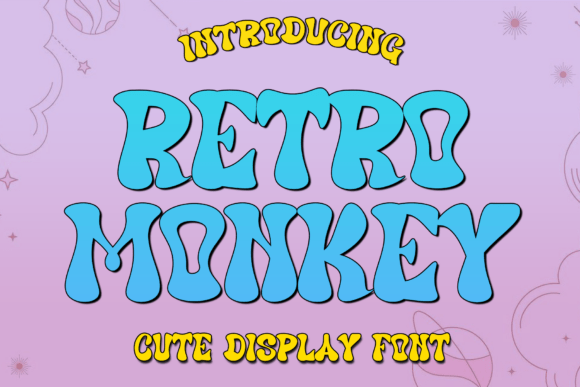
Retro Monkey stands out as a distinctive display font, characterized by its thick, irregular letterforms and lively, offbeat style. Unlike more traditional or minimalist typefaces, Retro Monkey embraces a sense of whimsy and visual unpredictability. Its uneven baseline and chunky appearance make it especially well-suited for creative projects that benefit from a sense of fun and spontaneity.
Designers often choose Retro Monkey when they want to evoke a sense of childhood nostalgia, adventure, or organic energy. The font's irregular shapes and handcrafted feel give it a tactile, almost illustrated quality. This makes it particularly effective in branding for products aimed at younger audiences, nature-themed visuals, or any design that benefits from a bold typographic statement.
How Retro Monkey Compares to Similar Fonts
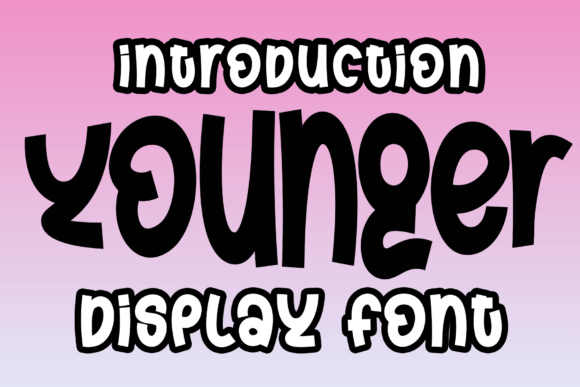
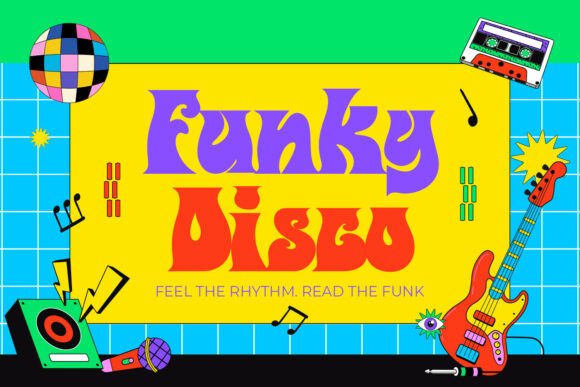
Within the category of playful, high-contrast display fonts, Retro Monkey holds a unique position. It shares some traits with other chunky, uneven fonts, but its distinctive character spacing and exaggerated forms set it apart. Compared to more structured or geometric display fonts, Retro Monkey feels more spontaneous and less rigid, which can be a major advantage when the goal is to create a memorable visual impression.
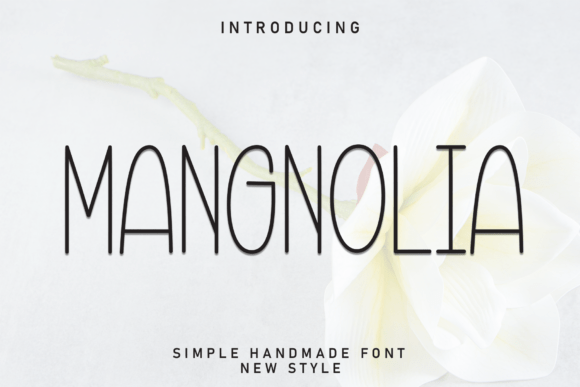
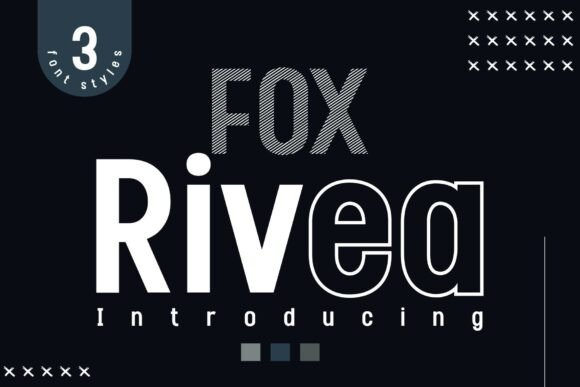
Some alternatives may offer cleaner lines or more uniform spacing, which can be preferable for projects requiring a balance between boldness and readability. However, those options often sacrifice the expressive personality that Retro Monkey delivers. In contrast, more minimalist or modern fonts may not convey the same level of energy or visual interest, especially in larger sizes or as part of a dynamic layout.
Strengths and Limitations of Retro Monkey
One of the strongest attributes of Retro Monkey is its ability to command attention. In design contexts where typography is a central visual element—such as posters, logos, or packaging—this font can serve as a focal point. Its playful, slightly chaotic structure makes it ideal for projects that aim to feel creative, unrestrained, or unconventional.
However, like many display fonts, Retro Monkey is best used in moderation. It is not well-suited for long blocks of text due to its inconsistent spacing and decorative nature. In applications where legibility and structure are more important than visual flair, this font may not be the best fit. Additionally, its strong personality means it can easily overpower a design if not balanced with simpler, complementary typefaces.
Best Use Cases for Retro Monkey
- Branding for kids' products: The font’s playful energy aligns well with toys, books, or educational materials aimed at younger audiences.
- Adventure and nature-themed designs: Whether for outdoor gear, travel posters, or eco-friendly products, Retro Monkey adds a sense of spontaneity and organic charm.
- Eye-catching headlines: As a title font in magazines, websites, or promotional materials, it draws attention without needing additional embellishments.
- Handmade or artisanal branding: Businesses that want to emphasize a handcrafted or bespoke aesthetic can use Retro Monkey to reinforce that message visually.
When to Consider Alternatives to Retro Monkey
While Retro Monkey excels in certain design contexts, there are situations where a different font might be more appropriate. For example, if the design requires a more refined or professional tone, a cleaner sans-serif or serif font would likely be a better choice. Similarly, in cases where the text needs to remain readable across multiple sizes or digital platforms, a more versatile font may be necessary.
Designers working on multi-platform branding campaigns should also consider how Retro Monkey translates across different media. While it performs well in print or static digital graphics, it may not render as clearly on low-resolution screens or in small sizes. In such cases, pairing it with a more legible secondary font or choosing a more universally adaptable typeface could be a more practical approach.
Pairing Retro Monkey with Other Fonts
One effective strategy for maximizing the impact of Retro Monkey while maintaining readability is to pair it with a simpler, complementary font. For instance, using Retro Monkey for headlines or logos and a clean sans-serif for body text creates a balanced visual hierarchy. This approach allows the playful character of Retro Monkey to shine without compromising the overall clarity of the design.
When selecting a companion font, designers should look for options that contrast in weight and structure but share a similar tone or aesthetic. A modern, minimalist font can provide a striking counterpoint, while a slightly rounded or organic typeface can help maintain a cohesive theme. The key is to ensure that the pairing enhances the design rather than creating visual confusion.
Final Considerations When Choosing Retro Monkey
Ultimately, Retro Monkey is a powerful tool for designers looking to inject personality and energy into their work. Its bold, quirky style makes it a standout option for creative projects that benefit from a strong typographic presence. However, like any design element, it works best when used thoughtfully and intentionally.
Before committing to Retro Monkey, consider the broader context of your design. Ask whether the font aligns with the intended message, audience, and medium. If the goal is to create something memorable and expressive, Retro Monkey could be the perfect choice. If clarity, consistency, or cross-platform adaptability is a priority, exploring other font options may be the better path.