Costume: A Bold Typography Choice for High-Impact Design Projects
When it comes to making a visual statement, typography plays a crucial role. Among the many typefaces available, Costume stands out as a high-energy display font that commands attention. With its exaggerated letterforms, thick outlines, and bold handmade aesthetic, Costume is designed to dominate a composition and convey a loud, playful attitude. Whether you're designing for print, digital media, or product merchandise, Costume offers a unique blend of style and functionality that can elevate your creative projects.
Understanding the Unique Qualities of Costume
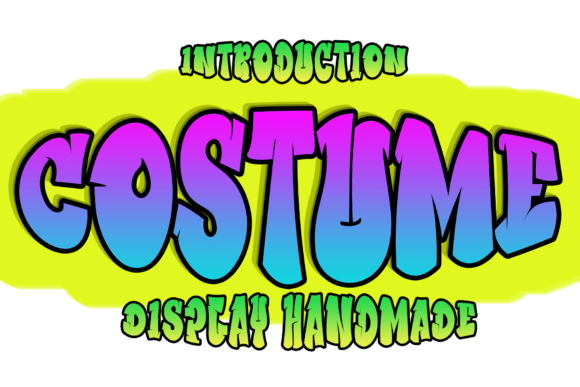
What sets Costume apart from more conventional fonts is its expressive character. Each glyph is crafted with heavy weighting, irregular shaping, and a vibrant visual impact that draws the eye. This is not a font for subtle backgrounds or minimalist design—it’s meant to be the focal point. The gradient coloring often seen in previews enhances its comic-style volume, giving it a dynamic, almost animated appearance. However, even in flat or monochrome settings, Costume maintains a strong visual presence, making it a versatile choice across different design contexts.
When to Use Costume: Matching the Font to the Message
Designers often face the challenge of choosing a typeface that not only looks good but also communicates the right tone. Costume is ideal for situations where a bold, expressive voice is needed. This includes:
- Event signage – Whether it’s a themed party, convention, or concert, Costume adds excitement and readability from a distance.
- Title sequences – In video or animation, Costume can serve as a memorable opener that sets the tone for what follows.
- Merchandise design – T-shirts, posters, and novelty items benefit from Costume’s cartoon-inspired power and handmade imperfection.
- Comic and illustration projects – The font’s exaggerated shapes and thick outlines align well with visual storytelling formats.
For these applications, Costume offers a solution that balances creativity with legibility, ensuring your message is both seen and felt.
How Costume Addresses Design Challenges
Many designers struggle with creating visuals that stand out without feeling cluttered or overwhelming. Costume solves this by offering a built-in visual punch that doesn’t require additional embellishment. Its thick outlines and irregular shapes provide texture and depth, reducing the need for complex background elements. This makes it especially useful for:
- High-contrast compositions – Costume works well against minimal or dark backgrounds, where its boldness can shine.
- Brand identity development – For brands aiming to project energy, fun, or rebellion, Costume can be a signature typographic element.
- Attention-grabbing headlines – In digital marketing or print ads, Costume can be used to highlight key messages that need to stand out quickly.
Practical Applications and Real-World Outcomes
Let’s look at some real-world scenarios where Costume can make a difference:
- Event Branding: A Halloween-themed event used Costume for all promotional materials, from posters to social media banners. The result was a cohesive, eye-catching brand that resonated with attendees and helped drive ticket sales.
- Product Packaging: A toy company incorporated Costume into their packaging design to evoke a playful, animated feel. This helped the product stand out on crowded shelves and appeal directly to younger audiences.
- Comic Book Titles: An independent comic artist used Costume for their book’s title page and chapter headers, creating a bold, stylized look that matched the tone of the story.
In each case, the use of Costume contributed to a stronger visual identity and improved audience engagement.
Design Considerations for Using Costume
While Costume is powerful, it also requires thoughtful application. Because of its exaggerated forms and heavy outlines, it’s best used in short bursts—such as headlines or logos—rather than long-form text. Here are some practical tips:
- Pair it wisely – Use Costume for headlines and pair it with a clean, simple sans-serif or serif font for body text to maintain readability and contrast.
- Test in different formats – Ensure that Costume remains legible when scaled down or printed in black and white, especially for physical signage or merchandise.
- Limit color combinations – Too many colors can compete with the font’s visual energy. Stick to high-contrast combinations like black on yellow or white on red for maximum impact.
Different Users, Different Approaches
Not everyone will use Costume in the same way. Here’s how different user groups might approach this font:
- Graphic designers may use it as a primary headline font in poster design or branding materials, appreciating its handmade imperfection and strong visual presence.
- Marketing professionals might incorporate it into promotional campaigns to create a sense of urgency or excitement, especially for seasonal or themed events.
- Illustrators and animators could use Costume to complement cartoon-style visuals, integrating it seamlessly into their storytelling elements.
- DIY creators and small business owners may apply it to custom merchandise, social media graphics, or packaging to create a bold, memorable brand identity without needing advanced design skills.
Each of these users brings a unique perspective, but all can benefit from the expressive power of Costume when applied thoughtfully.
Conclusion: Costume as a Design Solution
In today’s visually saturated world, standing out is more important than ever. Costume offers a compelling solution for designers and creators who want to inject energy, personality, and visual impact into their work. Whether you're designing a themed event, a comic book, or a product line, Costume brings a bold, handmade aesthetic that’s both versatile and attention-grabbing. By understanding its strengths and using it strategically, you can create designs that not only capture attention but also communicate your message with confidence and flair.