Funky Disco: A Retro-Inspired Display Font for Dynamic Design Projects
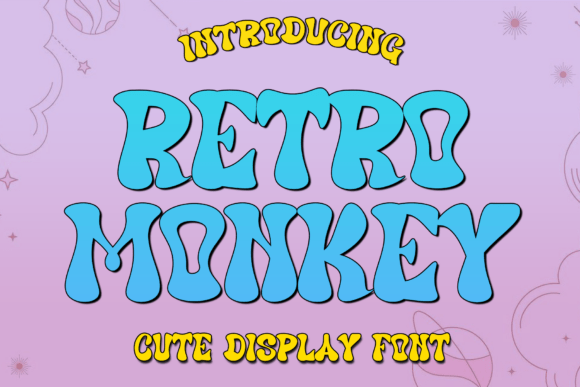
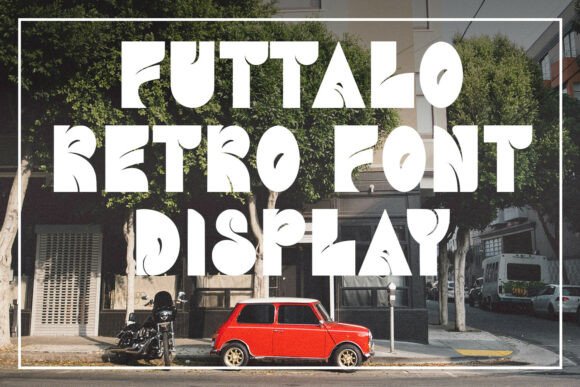
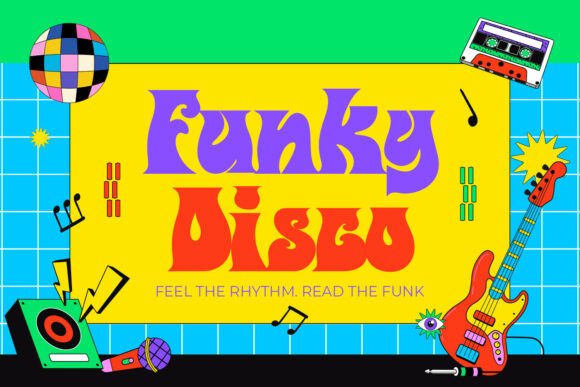
Funky Disco is a bold, retro-inspired display font that channels the vibrant energy of the 60s and 70s. With its wavy, chunky curves and playful letterforms, it brings a vintage, psychedelic flair to any visual project. Whether you're working on posters, album covers, branding, t-shirts, packaging, or event flyers, Funky Disco adds a unique personality that resonates with the soul of disco, funk, and hippie culture.
Understanding Funky Disco in the Design Workflow
At its core, Funky Disco isn't just a font — it's a design asset that can influence the tone and direction of a project from the start. Designers often choose typefaces early in the creative process, as typography plays a significant role in visual identity. Funky Disco fits into this phase by offering a strong stylistic direction that can guide color choices, layout structure, and overall aesthetic.
Its smooth, flowing lines and unique end strokes make it stand out in both print and digital formats. When planning a project, consider how Funky Disco's visual rhythm can complement other design elements. For example, pairing it with geometric shapes or organic textures can enhance its retro feel while maintaining a cohesive design language.
Integrating Funky Disco into Different Stages of a Project
Funky Disco can be used at various points in a design workflow, depending on the project's scope and goals. Here's how it can be integrated effectively:
Before the Project Begins
During the planning phase, selecting a font like Funky Disco can help define the project's visual direction. It's especially useful when designing for music festivals, fashion labels, or creative branding where a vintage aesthetic is desired. By incorporating Funky Disco into early mood boards or style guides, designers can ensure consistency across all visual elements.
During the Design Process
As the design takes shape, Funky Disco can be applied to headlines, logos, or key visual elements that need to stand out. Its bold nature makes it ideal for titles or call-to-action buttons, where clarity and impact are essential. Designers should test its legibility at different sizes and in various contexts to ensure it meets the project's functional requirements.
After the Design is Finalized
Once the main visuals are complete, Funky Disco can be used to reinforce branding or promotional materials. For instance, if a music festival poster uses Funky Disco as the main font, the same font can be carried over to social media graphics, merchandise, and email campaigns to maintain a unified look and feel.
Working with Funky Disco Alongside Other Tools and Platforms
Like any design asset, Funky Disco works best when integrated with other tools and resources. Here are some practical considerations:
- Compatibility: Ensure Funky Disco is compatible with your design software. Most modern platforms like Adobe Creative Suite, Figma, and Canva support custom font uploads.
- Pairing with Other Fonts: To avoid visual overload, pair Funky Disco with simpler sans-serif or serif fonts for body text. This contrast enhances readability while keeping the design dynamic.
- Exporting and Sharing: If collaborating with others, make sure to embed or convert Funky Disco to outlines when exporting files, especially if not all team members have the font installed.
By aligning Funky Disco with your existing design tools and workflows, you can streamline the creative process and maintain visual consistency across all deliverables.
Practical Tips for Using Funky Disco Effectively
While Funky Disco offers a strong visual identity, it's important to use it thoughtfully to avoid overwhelming your audience. Here are some actionable tips:
- Use It Sparingly: Funky Disco shines as a headline or accent font. Avoid using it for long blocks of text where readability is key.
- Test Across Mediums: Check how the font looks in different formats — from print to mobile screens. Adjust tracking and kerning as needed to maintain legibility.
- Consider the Audience: If your target audience leans toward modern minimalism, Funky Disco may not be the best fit. However, for audiences drawn to nostalgia and bold visuals, it can be a powerful tool.
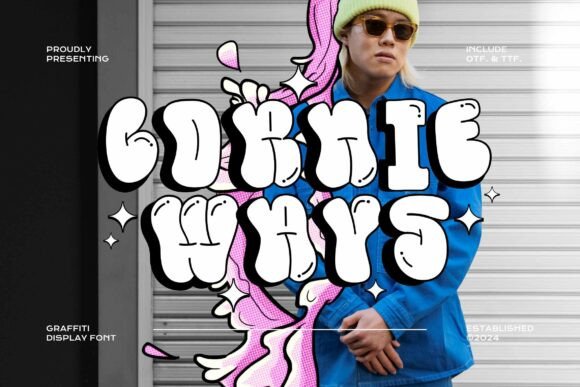
- Customize for Branding: If you're building a brand around Funky Disco, consider creating variations (like outlined or shadowed versions) for different applications, such as packaging, digital ads, or apparel.
These strategies help ensure that Funky Disco enhances your design rather than distracts from it, making it a valuable part of your creative toolkit.
Long-Term Use and Consistency
Design decisions made early in a project can have long-term implications, especially when building a brand or ongoing campaign. Funky Disco, with its distinctive character, can become a signature element of your visual identity. However, maintaining consistency is key.
Consider creating a reusable design system or template that includes predefined styles for headings, subheadings, and body text. This allows you to reuse Funky Disco across different assets while preserving brand integrity. Also, document font usage guidelines so that other team members or future collaborators can maintain the same visual tone.
When updating or rebranding, evaluate whether Funky Disco still aligns with your goals. Sometimes, a slight variation or complementary font can evolve the design without losing the original character.
Real-World Applications of Funky Disco
Funky Disco has proven to be a versatile choice across multiple industries. Here are a few examples of how it can be applied effectively:
- Music Industry: Album covers, concert posters, and band merchandise benefit from Funky Disco’s rhythmic, bold appearance.
- Fashion Labels: Retro-inspired clothing brands use Funky Disco on tags, packaging, and marketing materials to evoke a sense of nostalgia.
- Event Branding: Music festivals and retro-themed parties use the font in promotional materials to immediately convey the event's vibe.
- Product Packaging: Beverage brands, especially those with a vintage or craft aesthetic, use Funky Disco to stand out on shelves and connect with design-savvy consumers.
Each of these use cases demonstrates how Funky Disco can be more than just a stylistic choice — it can be a strategic design decision that supports brand messaging and audience engagement.
Conclusion: Making Funky Disco a Part of Your Design Toolkit
Incorporating Funky Disco into your workflow requires thoughtful planning and a clear understanding of its visual impact. Whether you're designing for print, digital, or product-based applications, this font offers a distinctive way to communicate energy, nostalgia, and creativity.
By considering its role in the broader design process — from initial planning to long-term brand consistency — you can ensure that Funky Disco enhances your work without overshadowing other design elements. As with any creative asset, the key is to use it intentionally, test it across platforms, and integrate it smoothly with your other tools and resources.