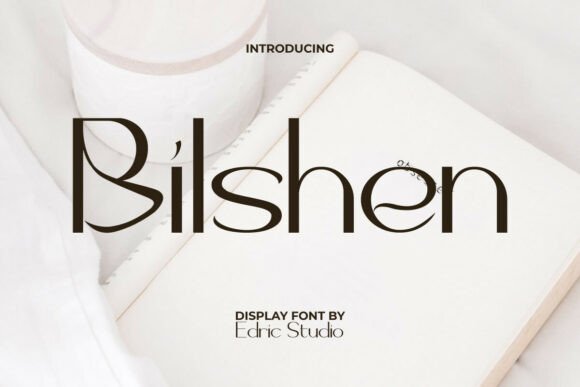
Elevating Design Projects with Bilshen: A Practical Guide to Using an Elegant Display Typeface
Typography plays a critical role in shaping the visual identity of a design project. Whether you're crafting a logo, designing a wedding invitation, or building a brand brochure, the font you choose contributes significantly to the overall tone and professionalism of the output. Bilshen emerges as a standout choice for creatives seeking a display typeface that blends sleek structure with artistic flair. With its exotic curves and refined elegance, Bilshen is more than just a font—it's a design asset that supports clarity, impact, and brand recognition across a range of media.
Understanding Bilshen: Structure, Style, and Use Cases
Bilshen is a creative display font designed with a balance of modern minimalism and expressive detail. Its clean structural foundation ensures legibility, while the carefully crafted curves add a sense of movement and sophistication. This dual nature makes it versatile for both digital and print applications.
Common use cases include:
- Brand logos and visual identities
- Wedding invitations and greeting cards
- Blog headers and website banners
- Product packaging and promotional materials
- Quotes and inspirational posters
Unlike generic fonts, Bilshen stands out by offering a distinct personality that aligns with high-end, creative, and expressive design needs. It works especially well in projects where typography is not just a functional element but a central design feature.
Integrating Bilshen into the Design Workflow
Design workflows often involve multiple stages—from ideation and drafting to final execution and delivery. Integrating a font like Bilshen effectively requires understanding where and how it fits into this process.
Pre-Production: Planning and Selection
Before launching into the design phase, it's important to consider how Bilshen will function within the broader visual strategy. Ask:
- Does the project require a bold, expressive typeface?
- Will Bilshen be used for headlines, subheadings, or accents?
- How will it pair with supporting fonts or brand colors?
These questions help ensure that Bilshen is not just aesthetically pleasing but also functionally appropriate. Early-stage mood boards and style guides can incorporate Bilshen to test its visual compatibility with other design elements.
Production: Implementation and Pairing
Once the decision to use Bilshen is confirmed, the next step is implementation. Thanks to PUA encoding, accessing alternate characters and stylistic extras is straightforward. This allows designers to customize the look without needing advanced font-handling tools.
For best results, pair Bilshen with clean sans-serif or serif fonts to maintain visual balance. For example:
- Use Bilshen for headlines and Roboto for body text in digital content
- Pair with a script font for contrast in print media
- Combine with geometric sans-serif fonts for a modern, cohesive brand look
This thoughtful pairing enhances readability while preserving the elegance that Bilshen brings to the design.
Post-Production: Review and Consistency
After the design is completed, review stages should include a typography audit. Check for consistency in font sizing, spacing, and alignment across different platforms. Since Bilshen is often used in high-impact visuals, ensuring it displays correctly across devices and print formats is essential.
For digital use, test how Bilshen renders on various browsers and screen sizes. For print, confirm that the font embeds correctly in PDFs or design files shared with printers.
Compatibility and Technical Considerations
When introducing any new font into a design workflow, technical compatibility is a key factor. Bilshen is designed to work seamlessly across major design platforms including Adobe Photoshop, Illustrator, InDesign, Figma, Canva, and more.
Some practical considerations include:
- File Formats: Ensure the font file is properly installed or uploaded into your design tool
- Encoding: The PUA encoding allows easy access to alternates and ligatures without special software
- Licensing: Verify usage rights, especially for commercial projects or client work
These small but important steps help avoid technical hiccups and ensure that Bilshen performs as intended across different environments.
Practical Workflow Examples
Let’s look at how Bilshen can be integrated into real-world design scenarios:
Example 1: Brand Identity Package
A freelance designer is tasked with creating a new visual identity for a boutique wellness brand. Bilshen is selected for the logo and marketing materials due to its elegant, calming aesthetic. It's paired with a clean sans-serif for subheadings and body copy to maintain readability while allowing Bilshen to shine as the brand's typographic signature.
Example 2: Wedding Invitation Suite
A graphic designer working on a luxury wedding invitation suite uses Bilshen for the couple’s names and event title. The font’s curves and structure complement the ornate floral motifs used throughout the design. Additional stylistic characters are used to create decorative flourishes and custom monograms, enhancing the personal and bespoke feel of the suite.
Example 3: Blog and Website Headers
A lifestyle blogger uses Bilshen for post titles and hero headers on their website. The font adds a touch of sophistication and helps differentiate the blog from more generic layouts. It's embedded using standard web-safe formats and tested across devices to ensure consistent rendering.
Long-Term Use and Maintenance
While Bilshen delivers immediate visual impact, long-term usability is also important. Designers and creators should consider how the font will be maintained over time:
- Version Control: Keep a backup of the font files used in a project for future edits
- Consistency Across Projects: If Bilshen becomes a brand standard, ensure all team members have access to the same version
- Updates and Support: Check for updates or support from the font creator to ensure continued compatibility
These habits help preserve the integrity of the design and streamline future revisions or rebranding efforts.
Conclusion: Making Bilshen a Strategic Design Choice
Bilshen is more than a decorative font—it's a strategic tool that enhances the visual storytelling of any project. Its elegant structure, artistic curves, and ease of use make it a valuable addition to the toolkit of designers, marketers, entrepreneurs, and creators alike. By understanding how Bilshen fits into the broader design process—from planning and implementation to review and maintenance—users can ensure that their work not only looks polished but also communicates the intended tone and message with clarity and sophistication.