The Cons: A Bold Display Font for Modern Designers
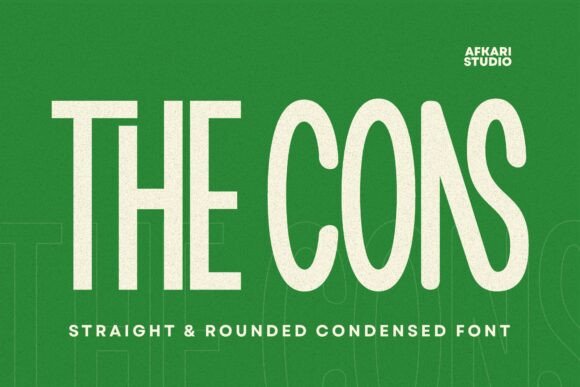
The Cons isn't your average typeface. It's a condensed sans serif display font built for creatives who want to make a statement without losing clarity. Its narrow structure and clean geometry give it a distinct edge in a world where space is limited but impact is essential. Whether you're designing a tech startup's branding or laying out a magazine spread, The Cons offers a balance of precision and personality that's hard to find in other display fonts.
What Makes The Cons Stand Out
At first glance, The Cons commands attention with its bold presence and space-saving design. Unlike traditional serif fonts that lean toward elegance and formality, this sans serif typeface feels modern, direct, and unapologetically efficient. Its condensed proportions allow for tighter line spacing and more text in less space, making it especially useful for headlines, banners, and UI elements where legibility and visual punch matter.
The font comes in four distinct styles: Regular, Bold, Rounded, and Bold Rounded. Each brings a different tone to the table. The Regular style is clean and minimal, ideal for contemporary layouts. Bold adds visual strength, perfect for attention-grabbing titles. The Rounded version softens the edges—literally and figuratively—for a more approachable, human feel. And the Bold Rounded option merges strength with warmth, making it a great fit for brands that want to feel both confident and friendly.
Where The Cons Works Best
This font shines in environments where clarity and visual impact go hand in hand. For brand identity work, The Cons can anchor a modern, tech-forward logo or serve as a secondary typeface that adds visual rhythm without overwhelming the design. In editorial design, it's a strong contender for subheadings and pull quotes, especially when space is tight but readability is crucial.
Its condensed structure also makes it a top choice for packaging design, where label space is limited but branding needs to be unmistakable. On the web design front, The Cons works well in hero sections, navigation bars, and social media graphics—especially when a minimalist yet bold aesthetic is desired.
Creative professionals working on personal projects like portfolios, wedding invitations, or craft branding can also benefit from its versatility. The Rounded and Bold Rounded styles, in particular, lend a warm, handmade feel that pairs well with script fonts or softer serif fonts in multi-typeface layouts.
How The Cons Influences Design Perception
Typography plays a quiet but powerful role in how audiences perceive a brand or message. The Cons, with its structured yet expressive character, contributes to a design’s overall professionalism, readability, and emotional tone. Its condensed form ensures that even in tight spaces, text remains legible and visually balanced.
When used thoughtfully, The Cons can elevate a brand’s consistency and recognition. The font’s distinctive personality helps reinforce brand identity across digital and print media. Whether it's used in a mobile app, a product label, or a social media post, it maintains a level of visual coherence that supports long-term brand recall.
From a visual hierarchy perspective, The Cons works well as a display font that draws the eye without overshadowing supporting text. Its strength lies in its ability to stand out while still complementing other design elements—especially when paired with more neutral body fonts.
Choosing and Using The Cons Effectively
When considering The Cons for a project, start by evaluating the tone and context. It’s best suited for designs that need a modern, forward-looking feel. Avoid using it in long-form body text—this is a display font at heart, and readability can suffer in extended reading situations.
Font pairing is key to making the most of The Cons. Pairing it with a clean sans serif like Helvetica or a classic serif like Garamond can create a nice contrast that enhances both typefaces. For a more playful or personal touch, consider combining it with a script font or a handwritten font for accents and supporting elements.
Before committing to The Cons in a commercial project, always review the licensing terms. Most premium fonts come with specific usage rights, and it's important to ensure your application—whether it's for print, web, or product packaging—falls within the allowed scope.
When testing the font, preview it in multiple contexts. Check how it looks at different sizes and on various backgrounds. Pay attention to spacing and kerning, especially if you're setting it in all caps or using it for short, impactful phrases. Also, consider how it behaves on screens versus print—some condensed fonts can appear too tight or lose clarity at smaller digital sizes.
Real-World Examples and Practical Tips
One effective use of The Cons is in tech branding. A startup focused on AI or data analytics might use the Bold style in a dark color over a clean, minimal background to communicate confidence and precision. In contrast, a wellness brand might opt for the Rounded version to convey approachability and warmth.
For editorial design, try using The Cons for section headers in a digital magazine layout. Pair it with a more traditional serif font for body copy to create a modern yet timeless feel. In packaging, consider using the Bold Rounded style on product labels where a balance of strength and friendliness is needed—think artisanal food products or lifestyle brands.
When designing social media graphics, The Cons can be a game-changer. Its condensed form allows for short, impactful captions without crowding the image. Use it in combination with bold colors and clean layouts to create posts that stop the scroll and communicate clearly.
Finally, don’t be afraid to experiment. The Cons is versatile enough to work across a wide range of applications, but its effectiveness depends on thoughtful implementation. Always test in context, consider the audience, and aim for clarity over trendiness.