Playing Bubbles: A Playful Font with Practical Design Power
Why Playing Bubbles Stands Out in the Crowd
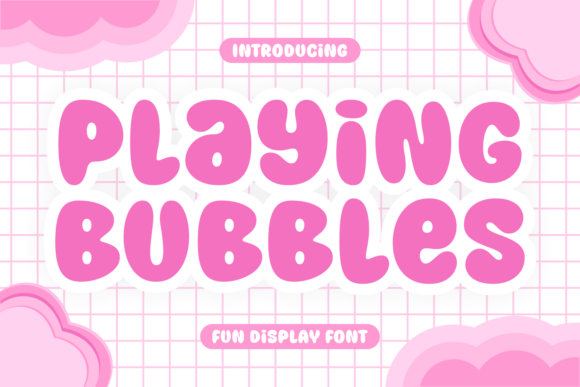
Typography isn’t just about legibility—it’s about personality. And when you’re looking to inject a sense of fun and nostalgia into your design, Playing Bubbles delivers in spades. This bold, bubbly display font channels the whimsical charm of classic cartoons and comic books, making it a go-to for designers who want to stand out without sacrificing clarity.
Whether you're creating a logo, a tumbler design, or a classroom poster, Playing Bubbles brings a retro-cool aesthetic that’s both versatile and visually engaging. It's especially popular among educators, small business owners, and DIY crafters who appreciate its energetic yet readable form.
Common Missteps When Using Playing Bubbles (And How to Avoid Them)
Despite its charm, Playing Bubbles can be misused—especially by those who don’t consider how its bold, stylized structure affects readability and design harmony. Here are some practical mistakes to watch out for:
1. Using It for Long-Form Text
Playing Bubbles is a display font, not a body font. Its chunky, rounded forms are best suited for headlines, logos, or short phrases. Attempting to use it for paragraphs or lengthy captions can strain the reader’s eyes and reduce comprehension.
Better approach: Use it for titles or accent text in Canva, Cricut projects, or social media graphics where visual impact matters more than extended reading.
2. Overlooking Kerning and Spacing
Because of its bubbly, irregular shape, Playing Bubbles may require manual kerning adjustments depending on the software you're using. Some design platforms auto-space fonts in a way that doesn’t always complement stylized typefaces.
Better approach: Always preview your text in multiple formats—especially when preparing for print or sublimation. Adjust spacing manually if letters appear too cramped or too far apart.
3. Ignoring Licensing Restrictions
Many designers download fonts without checking the usage rights. While Playing Bubbles is often available with a commercial license, it’s crucial to confirm whether it allows for mass production, resale, or web embedding.
Better approach: Always read the license agreement before using the font in logos, merchandise, or marketing materials. If you're unsure, reach out to the font creator or vendor for clarification.
4. Pairing It with Incompatible Fonts
One of the most overlooked aspects of typography is font pairing. Because Playing Bubbles is so stylized, pairing it with another bold or decorative font can create visual chaos.
Better approach: Balance it with a clean sans-serif or minimalist serif font. For example, use Playing Bubbles for your headline and a simple font like Open Sans or Lato for supporting text.
What to Check Before Downloading or Buying Playing Bubbles
Before committing to use Playing Bubbles, take a moment to verify a few key points:
- Character Set: Ensure it includes all the characters you need—especially if you’re working with accents or non-English alphabets.
- File Formats: Most fonts come in OTF or TTF. Make sure the format is compatible with your design software (Canva, Cricut, Silhouette, etc.).
- Supported Languages: If you're designing for an international audience, confirm that the font supports the necessary glyphs and diacritics.
- Design Style Fit: While playful, not every bubbly font is right for every project. Test it in context—does it match your brand tone? Is it legible at different sizes?
When Playing Bubbles Truly Shines
Used thoughtfully, Playing Bubbles can elevate your design from ordinary to eye-catching. Here are a few ideal use cases:
- Back-to-School Projects: Teachers love using it for bulletin boards, name tags, and class announcements.
- Custom Merchandise: Works beautifully on t-shirts, hoodies, mugs, and tote bags—especially when paired with a clean outline or shadow effect.
- Seasonal Social Media Graphics: Perfect for playful holiday posts or summer sale announcements in Canva or Photoshop.
- Scrapbooking and Cricut Crafts: Adds a fun, nostalgic touch to memory albums, party invitations, and personalized decor.
Final Thoughts: Play Smart, Design Better
Fonts like Playing Bubbles remind us that typography is more than just choosing a pretty style—it’s about communicating tone, intent, and emotion. While its bubbly appearance might suggest casual use, treating it with the same care as any professional font ensures your designs stay polished and effective.
Whether you're a seasoned designer or a hobbyist just starting out, understanding the strengths and limitations of Playing Bubbles helps you make smarter design choices. Avoid common pitfalls, double-check your usage rights, and pair it thoughtfully with complementary fonts—and you’ll be well on your way to creating designs that are both fun and functional.