Miraclo: A Refined Sans Display Font for Modern Design Needs
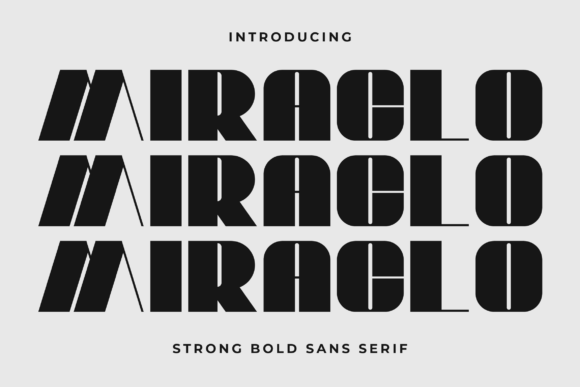
Miraclo is a carefully crafted sans display font that blends modern minimalism with a sense of timeless elegance. Its design philosophy centers on clarity, balance, and visual harmony, making it a versatile option for designers looking to elevate their typographic choices. Whether used in branding, editorial design, or digital interfaces, Miraclo stands out by offering a refined aesthetic without sacrificing legibility or functionality.
What Sets Miraclo Apart
At first glance, Miraclo distinguishes itself through its clean lines and smooth curves. Unlike many sans-serif fonts that lean heavily into geometric or industrial aesthetics, Miraclo strikes a subtle middle ground—modern yet approachable, structured yet fluid. The font’s balanced proportions contribute to its readability, especially at larger sizes, where display fonts are most effective.
One of the key characteristics of Miraclo is its attention to detail. The subtle rounding of terminals and the gentle modulation of stroke weight add warmth and personality to the typeface. These features make it particularly well-suited for design applications where a humanist touch is desired without veering into overly decorative territory.
Comparing Miraclo with Similar Sans Display Fonts
When evaluating display fonts for a design project, it's common to consider options like Avenir, Futura, or even more contemporary choices like Circular or Helvetica Neue. Each of these has its own strengths and ideal use cases. For example, Futura is known for its geometric purity and strong visual identity, while Avenir offers a more organic and balanced appearance.
Miraclo fits into this landscape as a middle ground—less rigid than Futura, but more structured than Avenir. It avoids the starkness that can come with strict geometric forms while maintaining enough clarity to work well in both print and digital environments. This makes it a flexible option for designers who want a font that feels modern but not overly trend-driven.
Strengths of Miraclo
- Clarity at display sizes: Miraclo excels when used in headlines, titles, and other large-format applications where readability and visual impact are crucial.
- Balanced proportions: The font’s careful spacing and letterform construction ensure it remains legible even in complex layouts.
- Versatile tone: Its design allows it to be used across a wide range of industries—from fashion and lifestyle to technology and finance—without feeling out of place.
Tradeoffs and Considerations
While Miraclo performs exceptionally well in display settings, it may not be the best choice for long-form body text. Like many sans display fonts, its design prioritizes visual appeal over the fine details that aid extended reading. In such cases, pairing Miraclo with a more traditional serif or a well-proportioned sans-serif for body copy can yield a balanced and effective typographic system.
Another consideration is the font’s stylistic neutrality. While this can be a strength in terms of adaptability, it may not offer the distinctive character some projects require. Designers looking for a more expressive or idiosyncratic typeface may find Miraclo too restrained for their needs.
When Miraclo Is the Right Choice
Miraclo shines in contexts where a clean, sophisticated aesthetic is desired without leaning too far into minimalism. It works particularly well for:
- Brand identities: Especially for companies that want to project modernity and professionalism without appearing overly cold or clinical.
- Editorial design: In magazines, websites, and other media where headlines need to be visually engaging but not overwhelming.
- UI and app design: When a clean, readable display font is needed for interface elements like buttons, banners, or navigation menus.
When You Might Choose an Alternative
There are scenarios where another font might better suit a project’s goals. For instance, if a design calls for a strong visual identity or a historical reference, a more distinctive typeface—such as a serif or a stylized sans—might be more appropriate. Similarly, if the design requires a font that supports a wide range of languages or special characters, it's worth verifying whether Miraclo meets those technical requirements.
In cases where budget or licensing is a concern, free alternatives like Roboto or Open Sans may offer a similar aesthetic at no cost. However, these options often lack the refined details and typographic polish that come with a premium font like Miraclo.
Practical Examples and Use Cases
Imagine a boutique hotel looking to refresh its branding. Using Miraclo for headlines and subheadings on its website or promotional materials would convey a sense of modern elegance. Pairing it with a classic serif like Georgia or Garamond for body text could enhance readability while maintaining a cohesive visual tone.
In contrast, a tech startup launching a new product might opt for a bolder, more futuristic font to reflect innovation and disruption. In that context, Miraclo might feel too understated. However, for a financial services firm aiming to communicate trust and stability, Miraclo’s balanced design would align well with the brand’s values.
Making an Informed Decision
Choosing the right font involves more than just aesthetics—it’s about aligning the typeface with the project’s message, audience, and medium. Miraclo offers a compelling combination of clarity, elegance, and versatility, making it a strong contender for designers who value both form and function.
Before committing to Miraclo, consider testing it in the actual context where it will be used. Preview it in different sizes, weights, and color schemes to see how it performs across platforms. If possible, compare it side by side with alternatives to evaluate which option best supports the design’s goals without compromising readability or style.