Graffiti Style: Where Urban Edge Meets Creative Expression
Graffiti Style isn't just a font—it's a visual attitude. With its bold strokes, uneven baselines, and unmistakable street-art flair, this display font captures the energy of urban culture and translates it into a versatile design tool. Whether you're crafting a limited-edition T-shirt, designing a poster for a local event, or putting together a social media graphic that stands out, Graffiti Style brings a raw, expressive quality that few other typefaces can match.
More Than a Trend: A Design Language
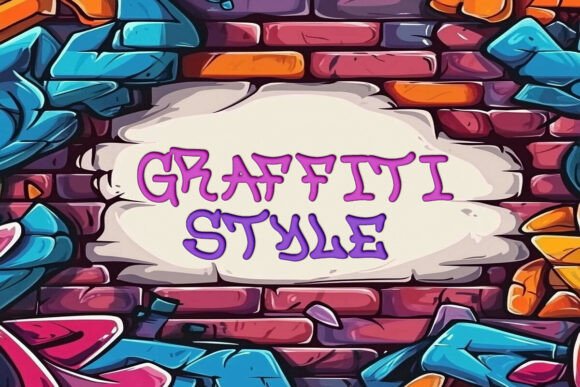
The visual characteristics of Graffiti Style are unmistakable: sharp angles, drips, splatters, and an intentionally imperfect rhythm that mimics hand-painted lettering. It's not a serif or a traditional sans serif, but rather a hybrid that leans into the expressive potential of modern typography. Unlike clean, minimalist fonts, Graffiti Style thrives on contrast and movement, making it ideal for projects that demand attention and personality.
This isn't a font for subtle backgrounds or formal invitations. It's built for impact. Think of it as the visual equivalent of a well-placed exclamation mark—energetic, bold, and impossible to ignore. Whether used in logo design, packaging, or digital banners, Graffiti Style injects a sense of authenticity and creative freedom into any layout.
Where Graffiti Style Shines
- T-shirts & Apparel: Use it for limited-run streetwear or custom merch that reflects a brand's rebellious spirit.
- Stickers & Decals: Its high contrast and visual weight make it perfect for vinyl stickers that pop.
- Editorial Design: Add punch to magazine covers, zines, or editorial headers that need to stand out.
- Social Media Graphics: From Instagram Stories to TikTok overlays, Graffiti Style adds a youthful, energetic tone.
- Cricut & Craft Projects: Ideal for DIY signage, wall art, and personalized gifts that feel handmade but look professional.
In branding, Graffiti Style works best when the brand personality aligns with youth culture, street art, or alternative aesthetics. It’s particularly effective for startups, music labels, apparel brands, and lifestyle companies that want to break away from conventional design norms.
How Font Choice Shapes Perception
Typography isn't just about legibility—it's about emotion. The right font can influence how your audience perceives your brand, message, or product. Graffiti Style carries a distinct personality: it's bold, confident, and unapologetically expressive. Used thoughtfully, it can elevate a design from generic to memorable.
When used in packaging design or logo development, Graffiti Style can help establish a strong brand identity that's instantly recognizable. However, it's important to balance its visual weight with simpler, more readable fonts in supporting text. This creates a clear visual hierarchy and ensures that the message remains accessible, even when the design is adventurous.
From a practical standpoint, Graffiti Style excels in short-form text like headlines, slogans, and callouts. It's not ideal for long paragraphs or body copy, but that's precisely where its strength lies—it's meant to grab attention, not sustain it.
Choosing and Using Graffiti Style Effectively
Before diving in, consider the project's tone, audience, and medium. Graffiti Style works best when the subject matter matches its energetic, urban edge. It’s not a one-size-fits-all solution, but when the context aligns, it can be a powerful design asset.
- Test readability: Zoom out or print a sample to see how the font holds up in real-world conditions.
- Check included styles: Some versions of Graffiti Style come with alternate characters, ligatures, or stylistic sets that expand its versatility.
- Consider font pairing: Pair it with a clean sans serif or modern serif for balance. Think Montserrat, Lato, or even a handwritten script for contrast.
- Review licensing: If you're using Graffiti Style commercially—whether for print, web, or merchandise—make sure the license covers your intended use. Some free versions have restrictions.
For digital use, test the font in different browsers and devices to ensure consistent rendering. For print, always confirm that the font embeds correctly in PDFs or design files sent to printers. Graffiti Style often includes multiple weights and variations, so explore all available options before finalizing your layout.
Real-World Applications and Design Tips
One of the most effective ways to use Graffiti Style is in combination with bold colors and minimal backgrounds. A black Graffiti Style header on a white background, for example, commands attention without visual clutter. Alternatively, layer it over textured backgrounds—like concrete or brick—to enhance its street-art feel.
In logo design, consider using Graffiti Style for a brand name that's short and punchy. Extend the visual theme into other brand elements like social media templates, packaging, or event signage to maintain consistency across touchpoints.
For bloggers and content creators, Graffiti Style can be a powerful visual anchor in featured images, thumbnails, or quote graphics. Just remember to keep the surrounding design clean to avoid overwhelming the viewer.
And for crafters working with Cricut or Silhouette machines, Graffiti Style is a go-to for custom vinyl projects. Its strong outlines and defined shapes make it easy to cut, whether you're creating wall decals, T-shirts, or personalized mugs.