Discovering Spirit: A Sweet and Friendly Handwritten Font for Creative Expression
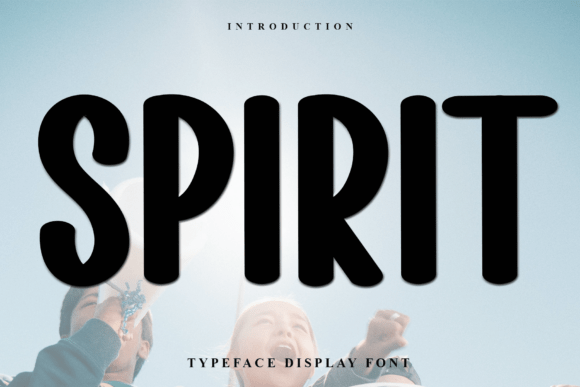
Spirit is more than just a font—it's a versatile tool for creative expression. With its handwritten charm and approachable style, Spirit has become a favorite among designers, educators, and entrepreneurs alike. Whether you're crafting a personal blog post or designing a brand identity, Spirit brings a sense of warmth and authenticity that's hard to replicate with more formal typefaces.
What Makes Spirit Unique?
At first glance, Spirit stands out for its natural, handwritten appearance. Unlike rigid, machine-generated fonts, Spirit mimics the flow and irregularities of real handwriting. This subtle imperfection is what gives it character and makes it feel more human and relatable.
Here are some of the key features that set Spirit apart:
- Soft, flowing curves that evoke a sense of calm and friendliness
- Variation in letter height and spacing to mimic natural handwriting
- Open and readable design, even at smaller sizes
- Flexible usage across print, digital, and creative media
The Purpose and Significance of Spirit
Fonts like Spirit serve a greater purpose than just aesthetics—they help convey tone, emotion, and personality in written communication. In a world dominated by digital content, using a font like Spirit can help your message stand out by adding a personal touch and a sense of authenticity.
Whether you're designing greeting cards, social media graphics, or educational materials, Spirit helps you connect with your audience on a more intimate level. It's especially effective when you want to evoke feelings of warmth, trust, and creativity.
Practical Uses of Spirit in Everyday Design
One of the greatest strengths of Spirit is its versatility. It can be used in a wide variety of design contexts. Here are just a few examples:
- Branding and Marketing: Spirit can be used for logos, packaging, and promotional materials, especially for brands that want to appear approachable and sincere.
- Educational Materials: Teachers and educators often use Spirit in worksheets, presentations, and handouts to make learning materials feel more welcoming and less intimidating.
- Personal Blogs and Websites: For bloggers and content creators, Spirit adds a personal flair to headlines, quotes, and callouts.
- Creative Projects: Whether you're making a scrapbook, a DIY invitation, or a digital illustration, Spirit enhances the handmade aesthetic.
How Spirit Fits Into Modern Work and Business
In today’s fast-paced digital world, businesses are constantly looking for ways to stand out and connect with their audience. Spirit offers a refreshing alternative to the sleek, modern sans-serif fonts that dominate corporate design.
For example, startups and small businesses can use Spirit in their branding to appear more authentic and community-focused. It’s also a great choice for wellness, education, and lifestyle brands that want to emphasize care, creativity, and connection.
Why Spirit Works Well in Education and Learning
Studies have shown that readability and emotional engagement play a big role in how students absorb information. Spirit’s clear, friendly appearance makes it a great choice for educational content, especially for younger learners or those with reading challenges.
Teachers can use Spirit in:
- Classroom posters and visual aids
- Handouts and activity sheets
- Online learning modules and presentations
Its legibility and warmth help reduce the cognitive load on students, making learning feel more accessible and enjoyable.
Clarifying Common Misconceptions About Spirit
While Spirit is beloved for its charm and flexibility, there are a few common misunderstandings about its use:
- Misconception 1: “Spirit is only for children’s materials.”
Reality: While Spirit is great for educational and child-focused designs, it's also effective in branding, wellness, and creative industries where a soft, human touch is desired.
- Misconception 2: “Spirit isn’t professional enough for business use.”
Reality: When used thoughtfully, Spirit can add a unique personality to branding and marketing materials, especially for small businesses and creative professionals.
- Misconception 3: “Spirit is difficult to read.”
Reality: Spirit is designed with clarity in mind. Its legibility makes it a great choice for short-form text, headlines, and quotes.
Tips for Using Spirit Effectively in Your Designs
To get the most out of Spirit, it's important to use it strategically and intentionally. Here are some tips to help you incorporate Spirit into your next project:
- Pair it with a clean sans-serif like Open Sans or Montserrat for contrast and readability.
- Use it for short text such as headlines, quotes, or captions—avoid long paragraphs for optimal legibility.
- Choose appropriate colors that enhance its warmth, such as earth tones, pastels, or muted shades.
- Experiment with spacing to highlight its natural flow and rhythm.
How Spirit Enhances Digital and Print Media
Whether you're designing for the web or print, Spirit adapts beautifully. In digital design, it can be used to create visually engaging social media posts, email headers, and website banners. In print, it adds a personalized feel to packaging, invitations, and stationery.
Its adaptability across formats makes Spirit a valuable addition to any designer’s toolkit.
Conclusion: Embracing Spirit in Your Creative Journey
Spirit is more than a font—it’s a tool for creative expression and emotional connection. Whether you're a designer, educator, business owner, or hobbyist, incorporating Spirit into your work can help you communicate more effectively and authentically.
With its sweet, friendly, and natural appearance, Spirit encourages you to think outside the box and explore the full potential of your creativity. So go ahead—download Spirit, experiment with its unique style, and let your imagination guide the way.
If you're looking to add a handwritten touch to your next design, Spirit is the perfect choice. Its versatility, readability, and charm make it a standout option for any project that values personality and connection.