Baenim: A Bold Korean-Inspired Font for Expressive Design
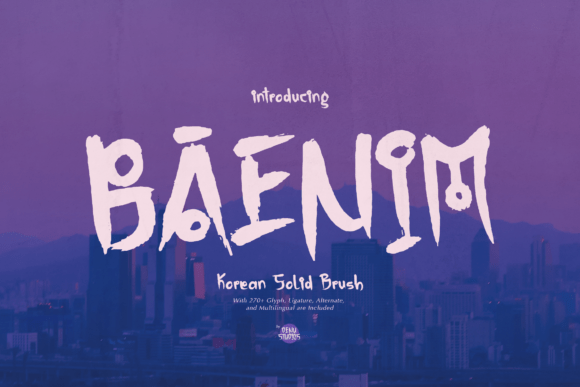
Baenim is a distinctive brush-style typeface that captures the raw energy of hand-painted lettering with a modern, expressive edge. Designed with a strong cultural influence rooted in Korean aesthetics, it brings a unique visual voice to design projects that demand attention and personality. With over 270 glyphs, including ligatures, alternates, and multilingual support, Baenim offers flexibility without compromising its bold, dynamic character.
What Makes Baenim Unique
Baenim stands out due to its intentionally rough, expressive strokes that mimic the texture and motion of brush-painted letters. Unlike many digitally refined fonts, Baenim embraces imperfection as part of its appeal, giving it an authentic, handcrafted look. This makes it especially effective for designs aiming to convey energy, rebellion, or artistic flair.
Its Korean-inspired design roots are evident in the balance between structure and spontaneity, reflecting traditional calligraphic techniques while adapting them for contemporary use. This blend of heritage and modernity allows Baenim to serve both niche and mainstream design applications effectively.
Why Designers Might Choose Baenim
Designers looking to create strong visual impact often seek typefaces that break away from the expected. Baenim’s expressive nature makes it a compelling choice for projects that need to stand out. It works especially well in high-energy visual contexts such as:
- Music album covers
- Urban streetwear branding
- Poster and flyer design
- Editorial layouts with an edgy tone
Its versatility is enhanced by multilingual support and a range of stylistic alternates, allowing for customization without sacrificing coherence. These features make Baenim suitable for international projects that require expressive typography while maintaining readability and cultural relevance.
Benefits and Considerations
One of the primary benefits of using Baenim is its ability to communicate tone and attitude at a glance. Its bold, textured strokes immediately convey a sense of movement and intensity, which can elevate the emotional impact of a design. Additionally, its glyph variety gives designers creative freedom to tailor the appearance to specific themes or messages.
However, like any expressive font, Baenim comes with considerations. Its raw, brush-painted style can be overwhelming if overused or placed in the wrong context. It is best suited for headlines, titles, or short bursts of text rather than long-form content. Using it in body copy may hinder readability, especially at smaller sizes or in low-resolution formats.
Designers should also consider the overall tone of their project. While Baenim brings energy and authenticity, it may not align with more formal, minimalist, or clean-cut design directions. In such cases, more restrained or neutral typefaces might better serve the project’s goals.
When Baenim Excels
Baenim is particularly effective in design contexts where visual impact and cultural resonance are key. It shines in branding and promotional materials that aim to evoke youth culture, rebellion, or artistic expression. For example, a streetwear brand looking to communicate authenticity and boldness might find Baenim to be a perfect typographic match.
It also performs well in editorial and entertainment design, where capturing attention quickly is essential. Whether used for a magazine cover, a music festival poster, or a dynamic web banner, Baenim helps create a strong first impression that aligns with the energy of the content.
When Alternatives May Be Better
While Baenim has a strong visual identity, there are situations where alternative fonts might be more appropriate. If a project requires subtlety, neutrality, or cross-cultural neutrality without stylistic emphasis, a more restrained typeface could be a better fit.
For example, in corporate branding, academic publishing, or user interface design where clarity and legibility are paramount, a simpler sans-serif or serif font might be preferable. Similarly, if the project’s tone is more refined or elegant, a script or calligraphic font with a smoother texture could be a more suitable option.
Practical Insights for Choosing Baenim
When evaluating whether Baenim is the right choice for a project, consider the following factors:
- Project tone: Does the design need to convey energy, attitude, or cultural authenticity? If so, Baenim could be a strong candidate.
- Usage context: Will the font be used primarily for headlines or short text? Baenim works best in these scenarios rather than in extended body copy.
- Visual balance: How will Baenim interact with other design elements? Pairing it with simpler fonts can help maintain visual harmony and avoid overwhelming the layout.
- Target audience: Is the intended audience likely to respond positively to a bold, expressive style? Understanding audience expectations can guide whether Baenim enhances or detracts from the message.
Final Thoughts
Baenim is a powerful typographic tool for designers seeking to inject raw energy and cultural flair into their work. Its expressive brush strokes, combined with functional features like multilingual support and glyph variety, make it a versatile choice for a wide range of creative applications. However, its bold character means it’s best used intentionally and with consideration for the overall design context.
Ultimately, whether Baenim is the right font depends on the specific needs of the project and the desired emotional response from the audience. When used effectively, it can elevate a design from ordinary to memorable, offering a distinctive voice that stands out in a crowded visual landscape.