Thick Colour: A Playful Font for Creative and Personal Projects
What Makes Thick Colour Stand Out?
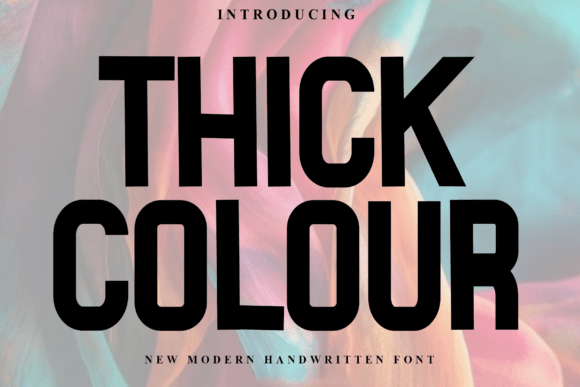
Thick Colour is a casual, hand-drawn font that radiates warmth and charm. Its round, bold strokes give it a friendly and approachable personality, making it ideal for designs that need a personal or whimsical touch. Whether you're crafting a social media post, designing an invitation, or working on a creative side project, Thick Colour adds a sense of fun and authenticity that's hard to replicate with more formal typefaces.
Designed with a relaxed aesthetic, this font is especially popular among creatives who want to convey a sense of joy and lightheartedness in their work. It’s not just about looks — Thick Colour is also functional, supporting standard PUA-encoded glyphs. This means it works seamlessly in popular design platforms like Adobe Photoshop, Illustrator, CorelDRAW, and Canva, giving users flexibility across tools.
When and Where to Use Thick Colour
Because of its playful nature, Thick Colour shines in environments where warmth and personality are key. Here are a few real-world scenarios where this font can make a difference:
- Wedding and baby shower invitations: The soft, rounded edges and hand-drawn look make Thick Colour a perfect fit for celebratory designs that need to feel intimate and joyful.
- Branding for children's products: From toy packaging to educational apps, this font helps brands appear more approachable and fun to both kids and parents.
- Social media content: Especially on platforms like Instagram and Pinterest, where visual appeal matters, Thick Colour can help your graphics stand out with a personal, crafted feel.
- Personal blogs and lifestyle brands: If you're building a brand around creativity, wellness, or self-expression, Thick Colour supports a tone that's friendly and relatable.
Who Benefits Most from Thick Colour?
Designers and non-designers alike find value in Thick Colour. Let’s explore how different users might apply it in their unique contexts:
Freelance Designers
For freelance designers working on client projects, Thick Colour offers a go-to option for anything that needs a casual, personable vibe. Whether it’s a logo for a boutique bakery or a poster for a local art fair, this font helps set the right emotional tone without overcomplicating the design.
Small Business Owners
Entrepreneurs running lifestyle brands, handmade shops, or service-based businesses often want to appear warm and trustworthy. Thick Colour can be used across marketing materials — from business cards to digital ads — to reinforce a brand identity that feels human and genuine.
Content Creators and Influencers
Influencers and YouTubers who create their own graphics or templates often lean on fonts like Thick Colour to give their visuals a cohesive and inviting look. It works especially well in quote graphics, video thumbnails, and story templates that aim to connect emotionally with the audience.
Hobbyists and DIY Enthusiasts
Whether you're designing custom t-shirts, crafting printable planners, or making personalized greeting cards, Thick Colour brings a sense of charm and craftsmanship. It’s a favorite among hobbyists who want to add a professional yet personal touch to their creations.
Things to Consider Before Using Thick Colour
While Thick Colour is versatile and expressive, it’s not a one-size-fits-all solution. Here are some practical considerations to keep in mind:
- Readability: Because of its thick, rounded style, this font may not be the best choice for long blocks of text or small sizes. It works best as a headline or accent font rather than for body copy.
- Tone matching: Since Thick Colour feels playful and informal, it may not be suitable for corporate or technical contexts. Always align the font choice with your brand voice and audience expectations.
- Compatibility: While it supports PUA encoding and works in most major design tools, it’s always a good idea to test how it renders across platforms, especially if you're sharing files or exporting for web use.
- Pairing with other fonts: To avoid visual clutter, pair Thick Colour with simpler, more neutral fonts like sans serifs or clean scripts. This creates balance and ensures your message remains clear and easy to digest.
Maximizing the Impact of Thick Colour
To get the most out of Thick Colour, think about how it fits into your overall design strategy. Here are a few practical tips from experienced designers:
- Use it for headlines and short text: Thick Colour is most effective when used sparingly — think titles, callouts, or featured text rather than long paragraphs.
- Play with color: Since the font has a bold structure, using it in bright or pastel shades can enhance its playful character. Try pairing it with watercolor backgrounds or hand-drawn illustrations for a cohesive look.
- Experiment with spacing: Kerning and line spacing can dramatically affect how Thick Colour appears on the page. Don’t be afraid to adjust these settings to enhance legibility and visual flow.
- Customize with effects: Adding subtle shadows, outlines, or textures can make Thick Colour pop even more, especially in digital graphics or print materials.
Real-World Examples of Thick Colour in Action
Let’s take a look at how real users have applied Thick Colour effectively:
- A wedding planner used Thick Colour for save-the-date cards, combining it with soft floral illustrations to evoke a romantic, handmade feel.
- An Etsy seller incorporated the font into product packaging for organic baby products, helping the brand feel nurturing and trustworthy.
- A food blogger used Thick Colour in Instagram stories to highlight recipe names, making the content feel more personal and engaging.
Final Thoughts
Thick Colour isn’t just another font — it’s a design tool that brings warmth, personality, and creativity to the table. Whether you're designing for business or pleasure, this font can help you connect more authentically with your audience. By understanding when and how to use it, you can elevate your visuals without losing clarity or professionalism.