Inkrotica: The Grotesque Font That Defines Horror Typography
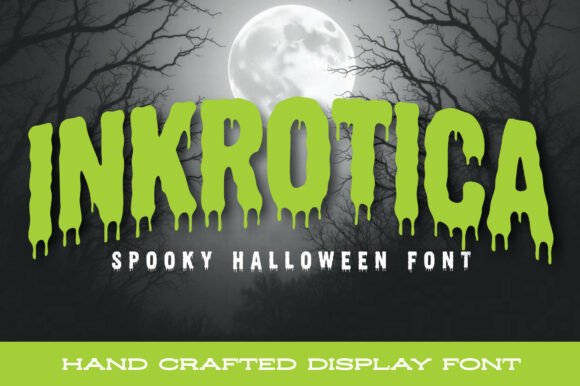
When it comes to crafting visual fear, typography plays a role as crucial as any shadow-drenched cinematography or eerie sound design. Inkrotica stands apart in the world of horror fonts, not just for its aesthetic but for the visceral reaction it invokes. This drippy, grotesque display typeface doesn't merely communicate a message—it oozes menace, dripping with the essence of decay and dread. Each character appears soaked in black ichor, as if written in cursed ink pulled from the underworld itself.
The Visual Identity of Inkrotica
Inkrotica’s design is intentionally chaotic. Its distorted edges and irregular flow mimic the look of ink that has bled uncontrollably across a page, creating a sense of instability and unease. The letters don’t just sit on the page—they threaten to drip off it. This unsettling quality is achieved through a combination of jagged outlines, inconsistent stroke widths, and deliberate imperfections that make each letter feel organic and alive in the most disturbing way possible.
Unlike clean, symmetrical fonts that convey order and professionalism, Inkrotica embraces asymmetry and decay. The font’s drips and splatters suggest violence and corruption, making it ideal for projects that aim to unsettle or provoke. Whether used in digital or print media, Inkrotica commands attention through its grotesque beauty, making it impossible to look away.
Practical Applications of Inkrotica
While Inkrotica may not be suitable for body text or formal communication, it shines in specific visual contexts where impact and atmosphere are paramount. Designers often turn to Inkrotica for:
- Horror Posters: The font’s dripping, ominous appearance makes it a perfect match for movie posters, especially in the horror, slasher, and psychological thriller genres.
- Haunted House Flyers: Event promotions for haunted attractions benefit from the font’s ability to evoke dread and curiosity simultaneously.
- Splatterpunk Titles: In book design and zine culture, Inkrotica is frequently used for titles that lean into gore, rebellion, and underground aesthetics.
- Music Album Art: Bands in the metal, gothic, and industrial genres often incorporate Inkrotica to reinforce a dark, aggressive tone.
- Video Game Titles: Horror and survival game developers use Inkrotica to create title screens that immediately immerse players in a sense of danger and the unknown.
Its versatility within the horror and dark fantasy niches is remarkable. Inkrotica isn’t just readable—it’s memorable. When used appropriately, it transforms text into a visual element that contributes directly to the mood of the design.
Why Inkrotica Works So Well
Typography is more than just choosing a legible font—it’s about emotional resonance. Inkrotica works because it taps into primal fears associated with decay, blood, and the unknown. Its visual texture mimics biological horror, triggering subconscious associations with disease, death, and forbidden rituals. This makes it more than just a stylistic choice; it’s a psychological tool.
Designers who understand the power of visual storytelling often use Inkrotica to create a visceral first impression. In marketing and branding for horror-related content, this can be the difference between a viewer scrolling past and pausing to engage. The font’s grotesque allure acts as a hook, drawing the eye and holding attention longer than a conventional typeface ever could.
Considerations for Using Inkrotica
Despite its strengths, Inkrotica isn’t a one-size-fits-all solution. It’s a display font, meaning it’s best used at larger sizes where its intricate details can be appreciated. Using it for body text or small captions can result in illegibility, defeating the purpose of clear communication. Additionally, its intense visual presence can overwhelm a design if not balanced properly with whitespace, contrast, and complementary fonts.
Here are some practical tips for using Inkrotica effectively:
- Pair with Simpler Fonts: Use Inkrotica for headlines and pair it with clean sans-serif or serif fonts for supporting text to maintain readability and visual balance.
- Adjust Kerning and Tracking: Due to its irregular shapes, Inkrotica may require manual spacing adjustments to ensure characters don’t visually clash or become illegible.
- Use in Limited Quantities: Overusing Inkrotica can desensitize viewers to its impact. Reserve it for key elements like titles, logos, or call-to-action buttons.
- Test in Different Contexts: Inkrotica might look fantastic on screen but could lose impact when printed on low-resolution materials. Always test across mediums before finalizing designs.
Designing with Emotional Impact
Inkrotica’s grotesque charm lies in its ability to evoke emotion without needing imagery. In horror design, this is invaluable. It communicates tone instantly, setting expectations before the viewer even begins reading. The font’s dripping aesthetic suggests something has bled onto the page—something unnatural, something that shouldn’t be there.
This kind of typographic storytelling aligns with broader trends in design that prioritize emotional resonance over sterile perfection. In a world saturated with sleek, minimalist aesthetics, Inkrotica offers a compelling counterpoint. It’s not about beauty in the traditional sense—it’s about evoking discomfort, intrigue, and fascination all at once.
The Cultural Resonance of Grotesque Typography
Inkrotica is part of a growing movement in typography that embraces the grotesque, the macabre, and the unsettling. This trend reflects broader cultural shifts toward embracing the taboo, the grotesque, and the emotionally intense. In literature, film, and art, audiences are increasingly drawn to content that challenges them, unsettles them, and makes them feel something visceral.
Grotesque fonts like Inkrotica tap into this desire for emotional intensity. They’re not just tools for communication—they’re instruments of mood. Whether used in a limited-run zine or a high-budget horror trailer, Inkrotica adds a layer of psychological depth that few other fonts can replicate.
Looking Ahead: The Future of Inkrotica and Similar Fonts
As design continues to evolve, so too will the role of grotesque and horror-inspired typography. Inkrotica has already carved out a niche for itself, but its influence is likely to expand as more creators seek to push boundaries and evoke raw emotion through type. We may see variations of Inkrotica emerge—versions with added textures, color layers, or animated effects that enhance its dripping, decayed aesthetic.
Moreover, as digital platforms become more accepting of custom fonts, Inkrotica and its ilk may find new applications in web design, interactive media, and augmented reality experiences. Imagine a website where the text appears to bleed across the screen or a virtual haunted house where the font itself seems to pulse and drip with life. These are the kinds of immersive experiences that Inkrotica helps make possible.
Conclusion: The Power of Inkrotica in Modern Design
Inkrotica is more than a font—it's an experience. It’s the typographic equivalent of a forbidden ritual, seductive in its horror and sickening in its beauty. For designers looking to create work that lingers in the mind, Inkrotica offers a powerful tool to evoke fear, curiosity, and fascination. Whether used in print, digital, or multimedia formats, it brings a unique energy that few other fonts can match.
As with any strong visual element, restraint is key. But when used thoughtfully, Inkrotica elevates design from the mundane to the unforgettable. In a world where attention spans are short and visual noise is constant, Inkrotica cuts through with dripping clarity—reminding us that sometimes, the most powerful designs are the ones that make us feel just a little bit afraid.