Heart Flower: A Playful Font for Creative Workflows
Introducing Heart Flower
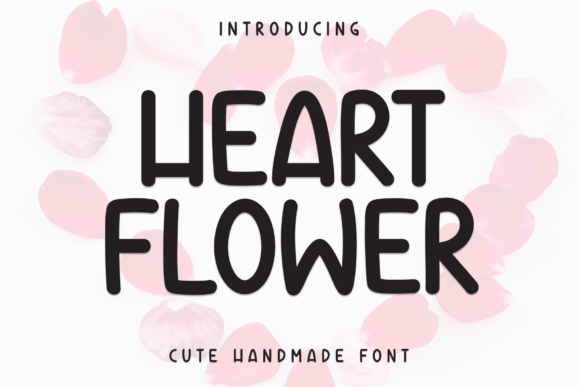
Heart Flower is a casual display font designed to bring a relaxed and playful energy to visual projects. With its bold, approachable letterforms, it stands out as an ideal choice for headlines, posters, branding materials, and more. Whether you're designing a logo, crafting a social media post, or laying out a product label, Heart Flower adds a touch of whimsy without sacrificing readability or impact.
Its style is rooted in spontaneity and fun, making it especially useful in creative workflows where a sense of warmth and approachability is essential. While not a font for body copy or long-form text, Heart Flower thrives in short, attention-grabbing settings where personality and clarity are key.
How Heart Flower Fits Into the Design Process
In a typical design project, font selection happens early—often during the conceptual or moodboarding phase. Heart Flower can be introduced during this stage to help shape the tone of the project. Whether you're working on a branding package, a marketing campaign, or a personal creative endeavor, choosing the right typeface early on can influence everything from color choices to layout structure.
During the mockup or prototype phase, using Heart Flower can help stakeholders or team members visualize the emotional direction of the work. Because of its expressive nature, it’s a great tool for communicating a brand’s personality or setting a specific emotional tone in promotional materials.
Using Heart Flower Before, During, and After a Project
Before launching into full-scale design, consider using Heart Flower in exploratory sketches or mood boards. Its playful aesthetic can help inspire creative direction, especially for projects targeting younger audiences, lifestyle brands, or casual environments.
Durring the design process, Heart Flower shines in headline treatments, logo variations, and call-out text. It pairs well with simpler sans-serif fonts, allowing for a balanced visual hierarchy. For example, using Heart Flower for a headline and a clean sans-serif for subheadings and body copy creates a dynamic yet readable layout.
After the main design is complete, Heart Flower can be used to enhance supporting materials such as social media graphics, email headers, or packaging labels. These smaller but impactful elements benefit from a font that’s both distinctive and easy to recognize.
Integration with Other Tools and Platforms
Heart Flower works well across a variety of design tools and platforms, including Adobe Creative Suite, Figma, Canva, and web-based editors. Its bold character ensures it remains legible even at smaller sizes or on digital screens. When integrating into a design system or brand kit, it’s important to maintain consistency by limiting its use to specific roles—like headlines or accent text.
For web developers, embedding Heart Flower via @font-face or a web font service like Google Fonts or Adobe Fonts ensures cross-browser compatibility. However, due to its stylized nature, it's best used sparingly on websites to avoid readability issues in longer content blocks.
Practical Implementation Tips
- Pair with neutral fonts: Use Heart Flower for headlines and combine with a clean, readable font for body text to maintain visual balance.
- Limit usage: Reserve Heart Flower for key visual elements to avoid overwhelming the design with too much personality.
- Test across formats: Preview how it looks in print, digital, and mobile formats to ensure consistency and clarity.
- Use for thematic branding: It’s especially effective for seasonal campaigns, children’s products, or wellness-related brands.
Workflow Examples
Branding a new coffee shop: A designer might use Heart Flower for the shop’s logo or menu headers to convey a friendly, welcoming vibe. Pairing it with a clean, modern sans-serif for supporting text creates a cohesive and inviting brand identity.
Social media marketing: A content creator could apply Heart Flower in Instagram stories or Pinterest graphics to highlight promotions or featured content. Its bold style helps text stand out against colorful or complex backgrounds.
Product packaging: In a small-batch soap or candle brand, Heart Flower could be used for product names or taglines. Its hand-crafted look aligns with artisanal aesthetics and helps products stand out on shelves.
Ensuring Consistency and Quality
When incorporating Heart Flower into a larger design system, it’s important to document its usage guidelines. This includes specifying font sizes, weights, and spacing rules to maintain consistency across different deliverables. Creating a simple style guide or design token system can help ensure that all team members or collaborators use the font appropriately.
Also, always check for legibility—especially in digital environments. Some stylized fonts lose clarity on low-resolution screens or at small sizes. Heart Flower performs best when used at larger sizes or as a focal point rather than for detailed or lengthy text.
Long-Term Use and Scalability
While Heart Flower is a strong choice for expressive design elements, it should be part of a broader typographic strategy. Over time, maintaining a core set of fonts that work well together ensures brand continuity and design efficiency. Consider Heart Flower as one of a few key fonts in your toolkit—reserved for moments where a relaxed, fun tone is needed.
As projects evolve or scale, revisit font usage to ensure alignment with brand maturity and audience expectations. Heart Flower may remain a staple for certain creative directions while being supplemented by other fonts for more formal or technical applications.
Conclusion
Heart Flower is more than just a decorative font—it’s a tool that can shape the emotional tone of a project and guide design decisions from concept to execution. By understanding how to integrate it effectively into your workflow, you can harness its playful energy to enhance branding, marketing, and creative output.
Whether you're a designer, marketer, educator, or entrepreneur, Heart Flower offers a versatile and expressive option for adding warmth and personality to your visual communications. With thoughtful implementation and strategic pairing, it becomes a valuable asset in your creative toolkit.