Fake Smile: A Playful Rebellion in Typography
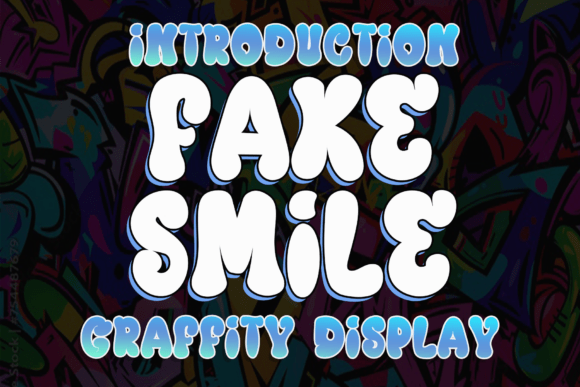
Typography isn’t just about readability—it’s a statement, a mood, a visual voice. Fake Smile captures this idea perfectly. It’s a graffiti-style display font that bursts with personality, combining bold outlines, exaggerated curves, and a cartoonish energy that feels both nostalgic and fresh. Whether you’re designing a music poster, branding for a pop-up shop, or a t-shirt for a niche audience, Fake Smile injects a sense of youthful defiance and urban flair into your work.
What Makes Fake Smile Unique?
Fake Smile stands out because of its inflated, rounded letterforms. Unlike traditional graffiti fonts that lean into sharp edges and aggressive shapes, Fake Smile softens the tone with a bubbly, almost cheeky structure. It’s like a wink from the street—playful, ironic, and full of attitude. The font’s exaggerated curves and whimsical proportions make it ideal for attention-grabbing headlines, especially when used in large formats.
Its design bridges the gap between street art and digital design, giving it a dual identity. It feels hand-painted and organic, yet it works seamlessly in modern design software. This versatility makes it a go-to for creatives who want to infuse a sense of rebellion without alienating their audience.
How to Use Fake Smile Creatively
Fake Smile shines in projects that need to stand out with a bit of humor or attitude. Here are a few creative applications to spark your imagination:
- Music Posters: Perfect for punk, hip-hop, or indie bands looking to capture the raw energy of live performance. Pair it with contrasting colors and bold imagery to amplify the street-style aesthetic.
- Edgy Merchandise: From streetwear to skateboard decks, Fake Smile adds a punch of personality. Use it on product packaging or brand tags to create a memorable visual hook.
- Pop Culture Branding: Whether launching a podcast, a lifestyle brand, or a limited-edition product line, Fake Smile brings a sense of urban authenticity that resonates with younger audiences.
- Creative Titles: For book covers, film titles, or YouTube thumbnails, Fake Smile transforms text into a design element. It works especially well when the theme leans into irony, satire, or playful storytelling.
Design Tips for Using Fake Smile Effectively
Because of its bold, attention-grabbing nature, Fake Smile works best when used strategically. Here are a few tips to keep your designs clear and impactful:
- Limit Its Use: Let Fake Smile be the star of the show. Use it for headlines or key phrases rather than long blocks of text. Overuse can overwhelm the viewer and dilute its impact.
- Pair with Contrasting Fonts: Balance Fake Smile with a clean sans-serif or minimalist serif font for body text or supporting copy. This contrast enhances readability and gives your design visual depth.
- Play with Color: The rounded, inflated shapes of Fake Smile make it ideal for color experimentation. Try gradients, neon tones, or even distressed textures to amplify its graffiti roots.
- Think About Context: Fake Smile works best in urban, youth-driven, or counter-culture contexts. If your project leans more formal or corporate, consider using it sparingly or in a stylized way that fits the tone.
Who Can Benefit from Fake Smile?
Fake Smile is a versatile font that appeals to a wide range of creators and industries. Here’s how different users can adapt it to suit their needs:
- Graphic Designers: Use Fake Smile to add a dynamic, urban edge to posters, album covers, or social media visuals. It’s especially effective when paired with layered textures or spray-paint effects.
- Marketers: Incorporate Fake Smile into guerrilla marketing campaigns, limited-time offers, or event promotions targeting Gen Z or millennial audiences. Its bold, energetic style can help your message stand out in a crowded space.
- Entrepreneurs: Whether launching a new beverage brand, a sneaker line, or a creative startup, Fake Smile adds a sense of authenticity and rebellion that can differentiate your brand in a competitive market.
- Bloggers and Content Creators: Use Fake Smile for eye-catching thumbnails, blog headers, or custom illustrations. It’s a great way to inject personality into your visual content without overcomplicating your design.
- Educators and Workshop Leaders: If you work with younger audiences or teach creative subjects, Fake Smile can make learning materials feel more engaging and approachable. Use it in presentation slides or handouts to spark interest.
Staying Consistent While Staying Bold
One of the biggest challenges with expressive fonts like Fake Smile is maintaining consistency across different platforms and formats. Here’s how to keep your designs cohesive:
- Stick to a Visual Language: If you’re using Fake Smile in a brand identity or campaign, ensure all other design elements—colors, shapes, imagery—align with its energetic tone.
- Test Across Sizes: While Fake Smile is best at large sizes, test how it looks on mobile screens or printed materials. You may need to adjust spacing or stroke thickness for clarity.
- Use It in Context: Don’t just drop Fake Smile into any layout. Consider how it interacts with surrounding elements. Sometimes, giving it space to breathe is the most effective approach.
Final Thoughts: Let Your Design Smile
Fake Smile is more than just a font—it’s a design attitude. Whether you’re pushing creative boundaries or simply looking for a typeface that adds a bit of flair, Fake Smile offers a fresh, expressive option. It’s bold without being aggressive, playful without being childish, and modern without losing its roots in street culture.
As with any design tool, the key is balance. Use Fake Smile to amplify your message, not drown it out. Pair it thoughtfully, apply it strategically, and let it serve as a visual punctuation mark in your creative projects. When used well, Fake Smile doesn’t just say something—it shouts it with a wink and a grin.